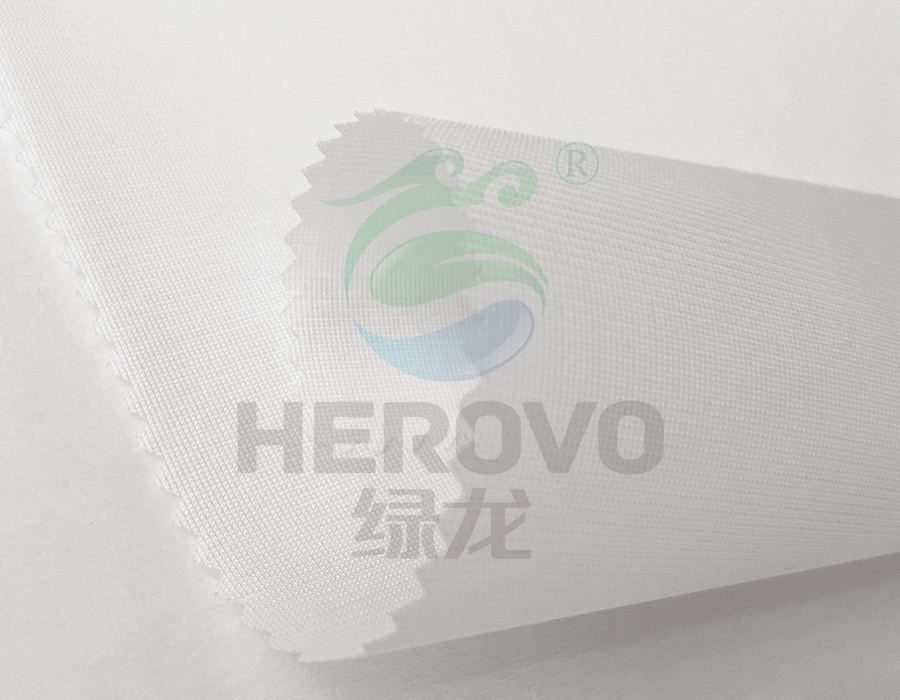
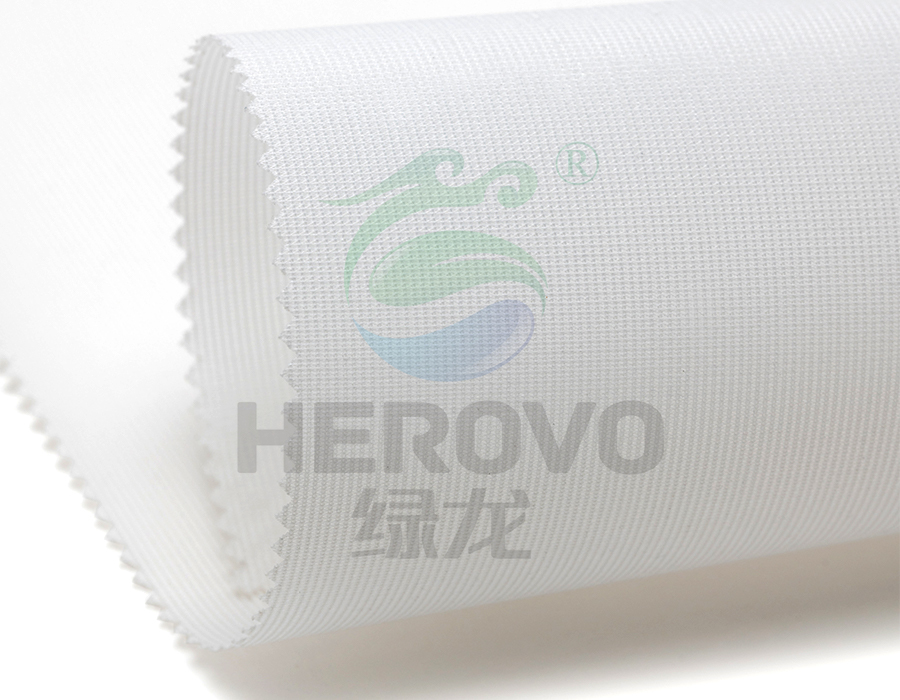
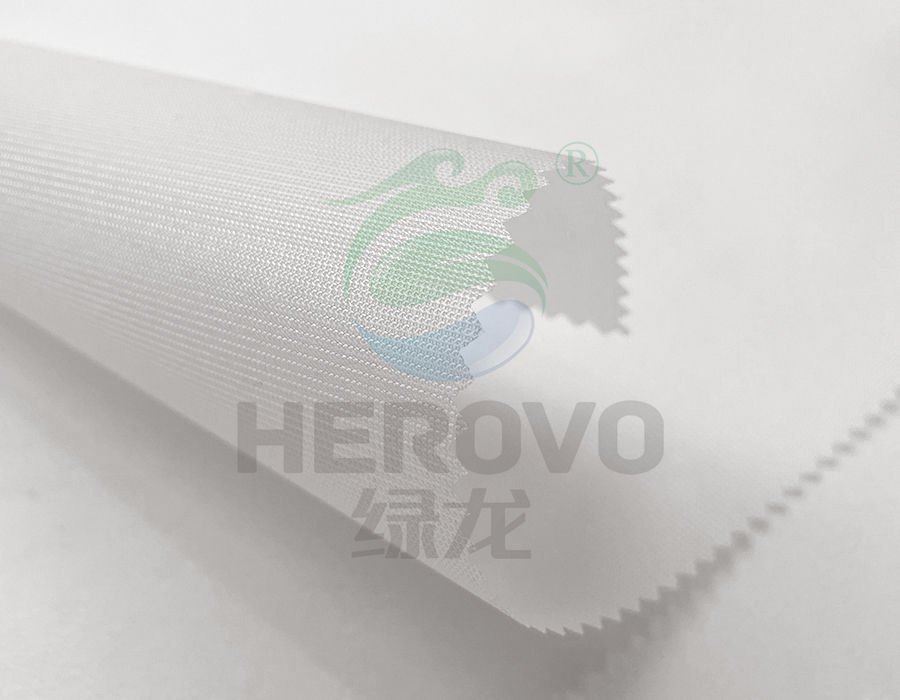
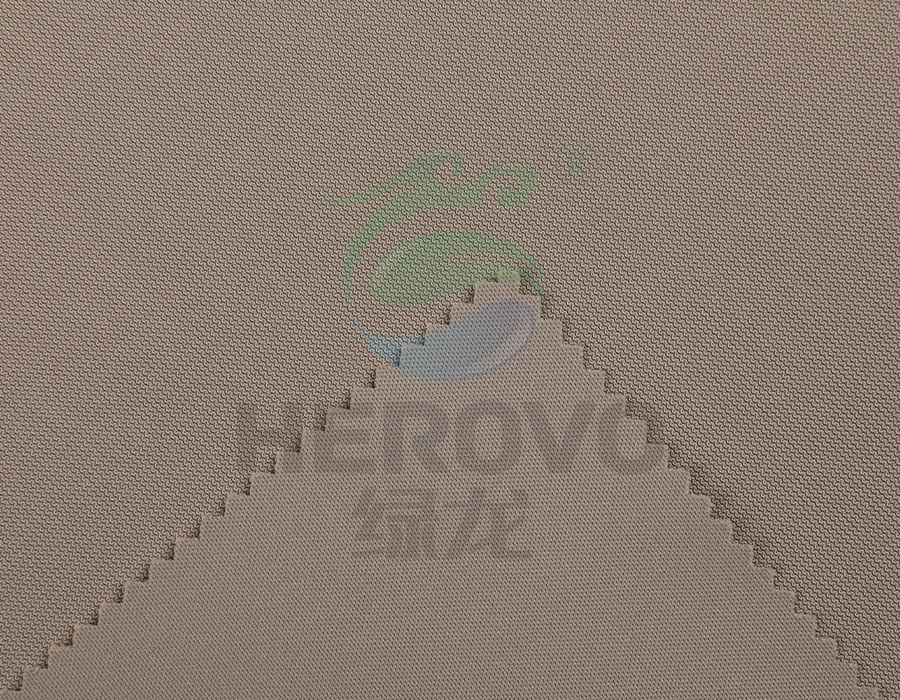
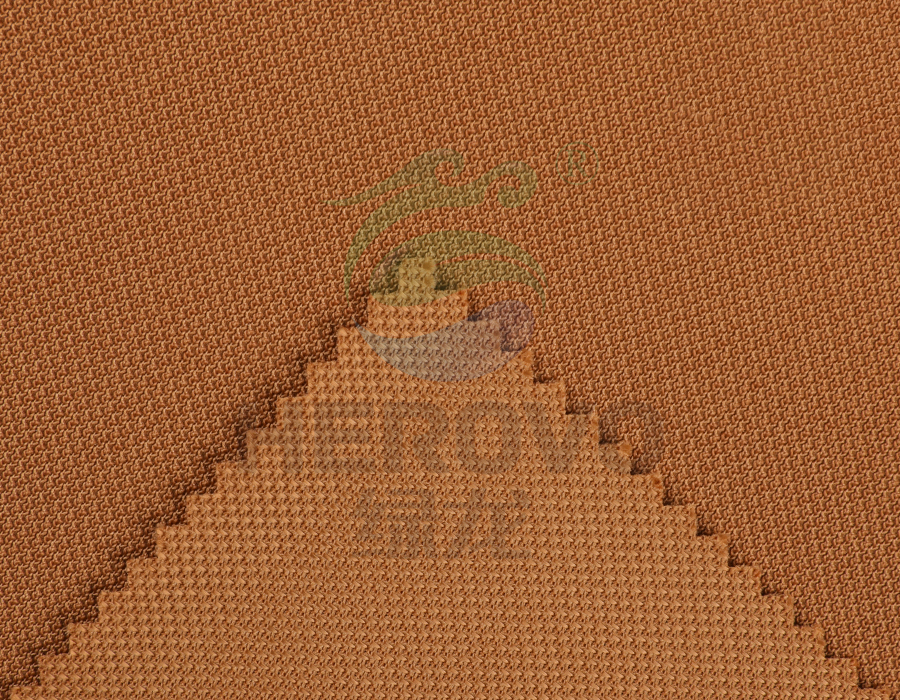
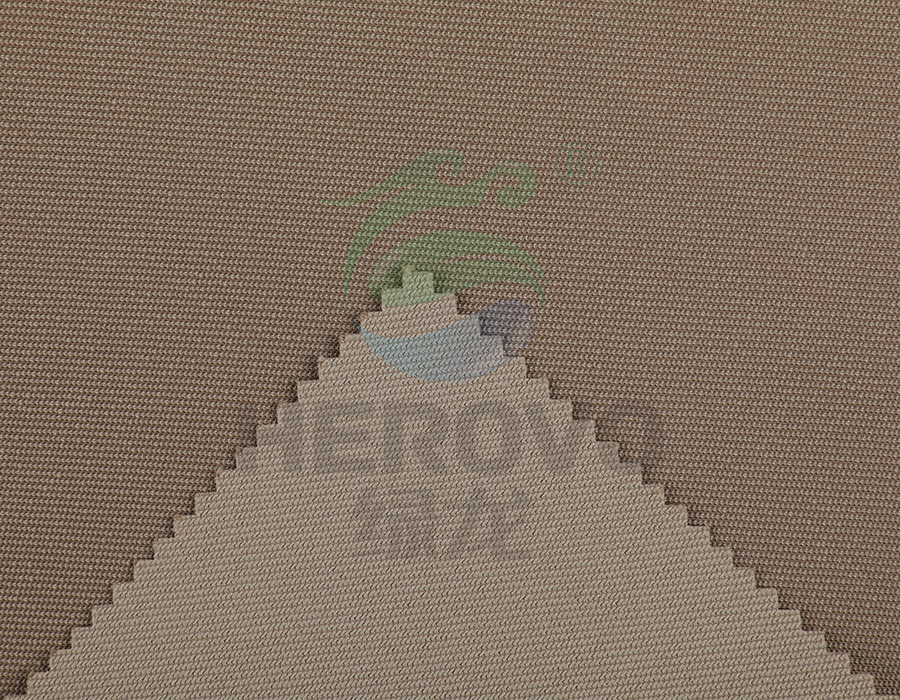
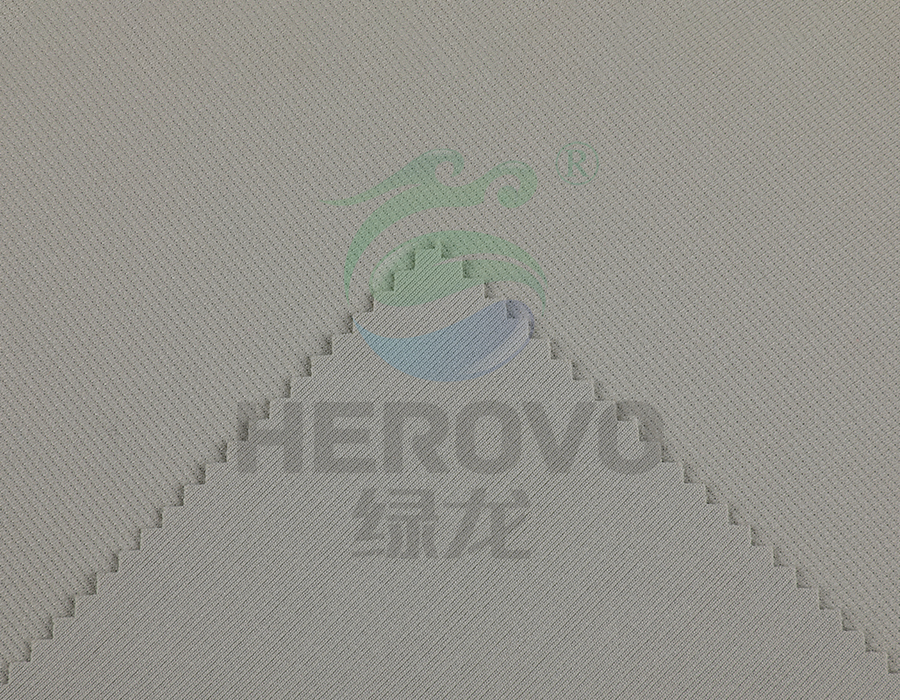
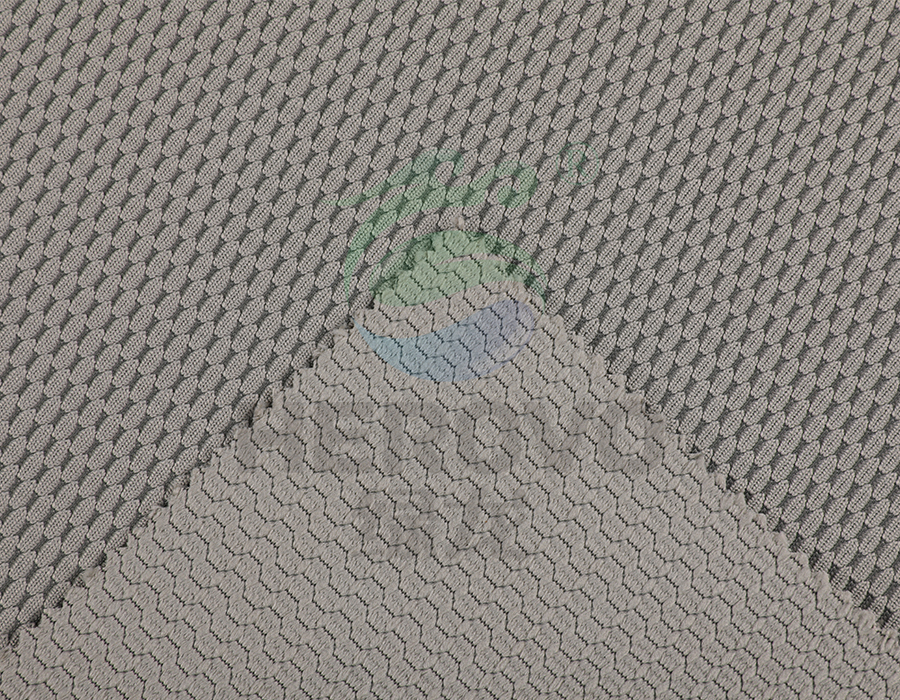
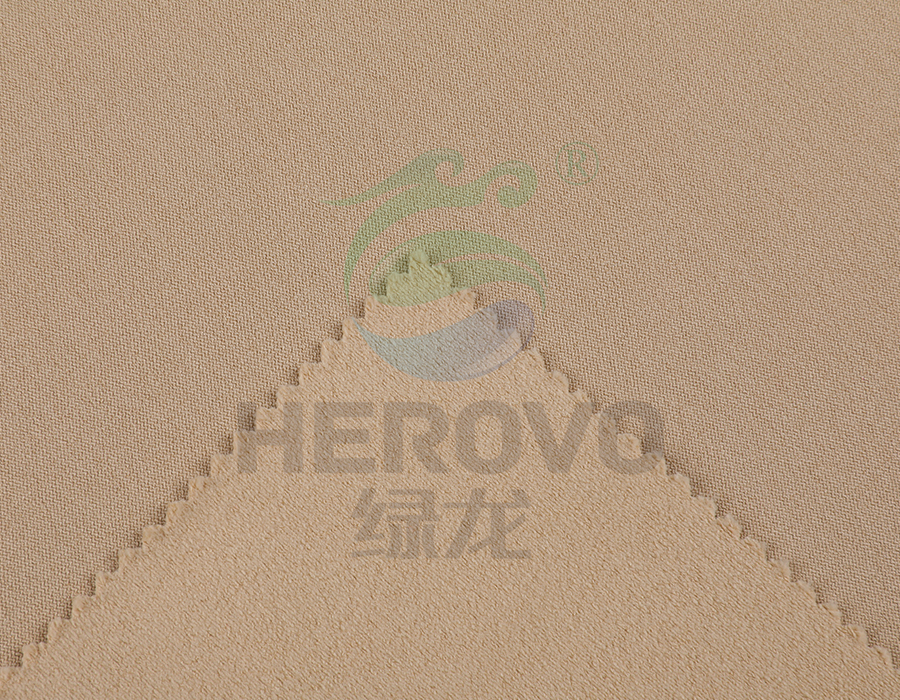
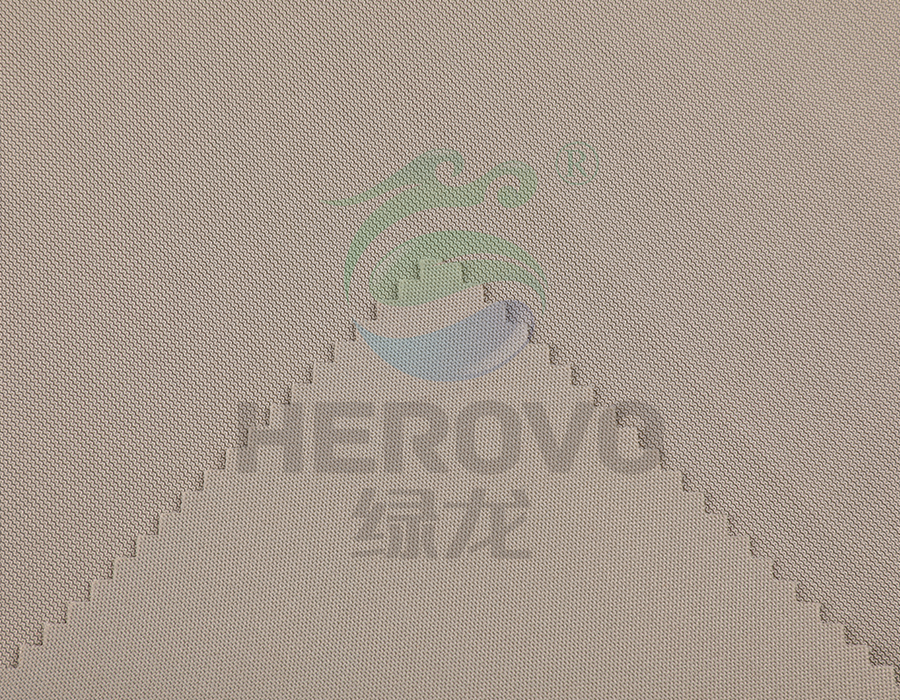
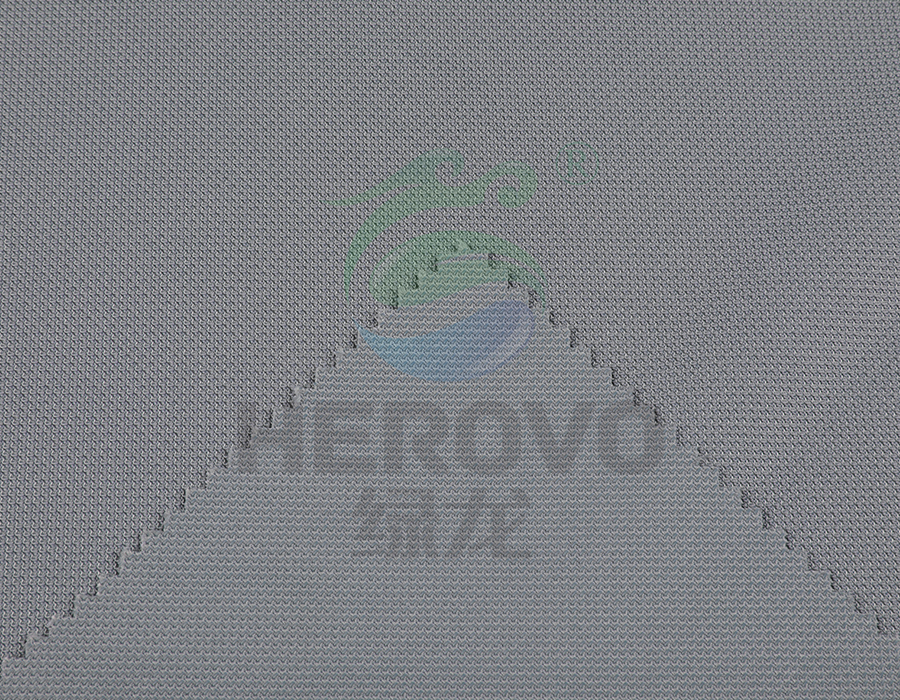
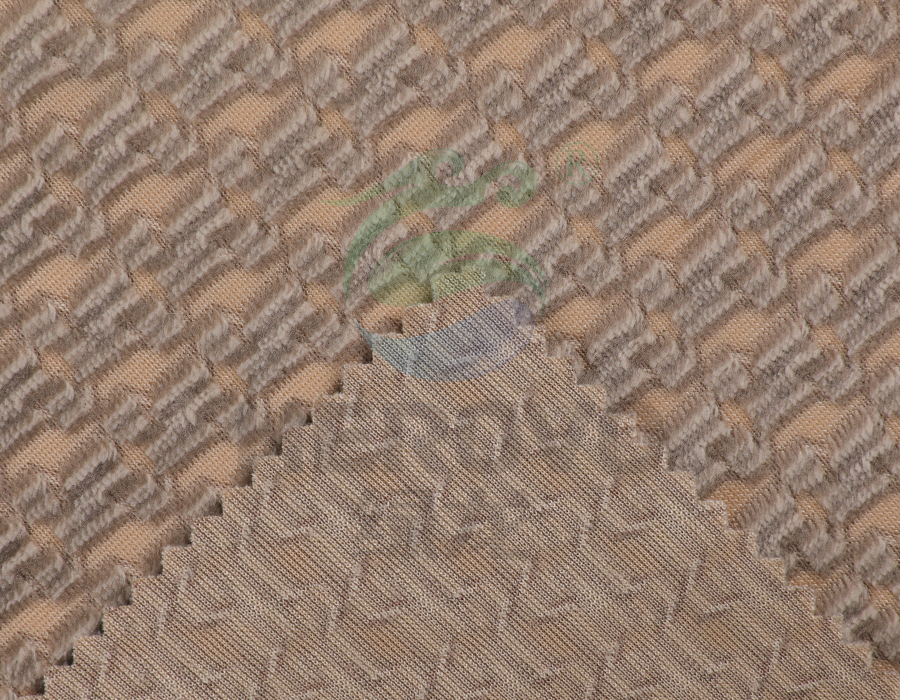
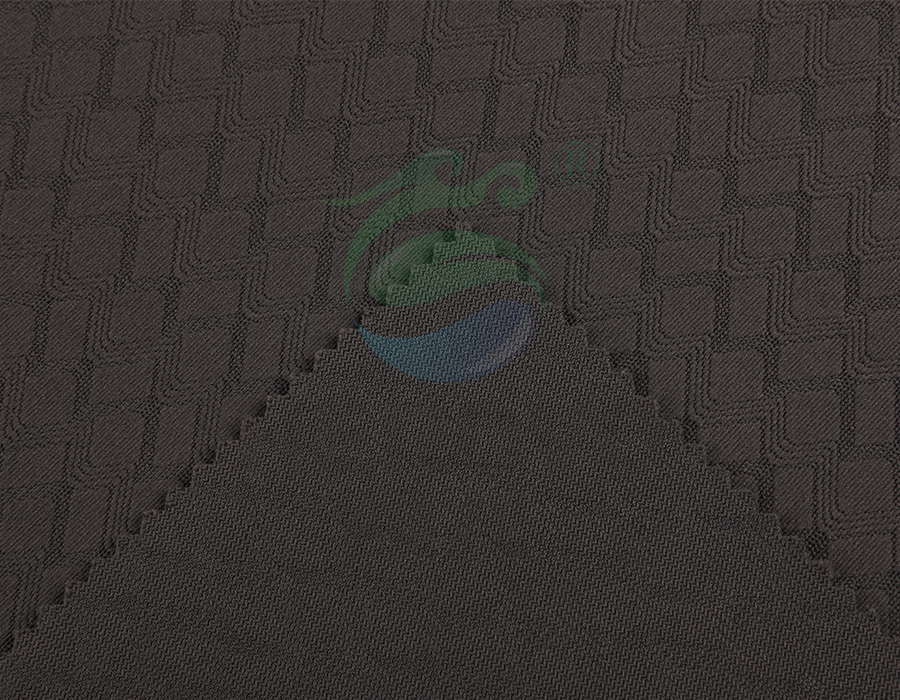
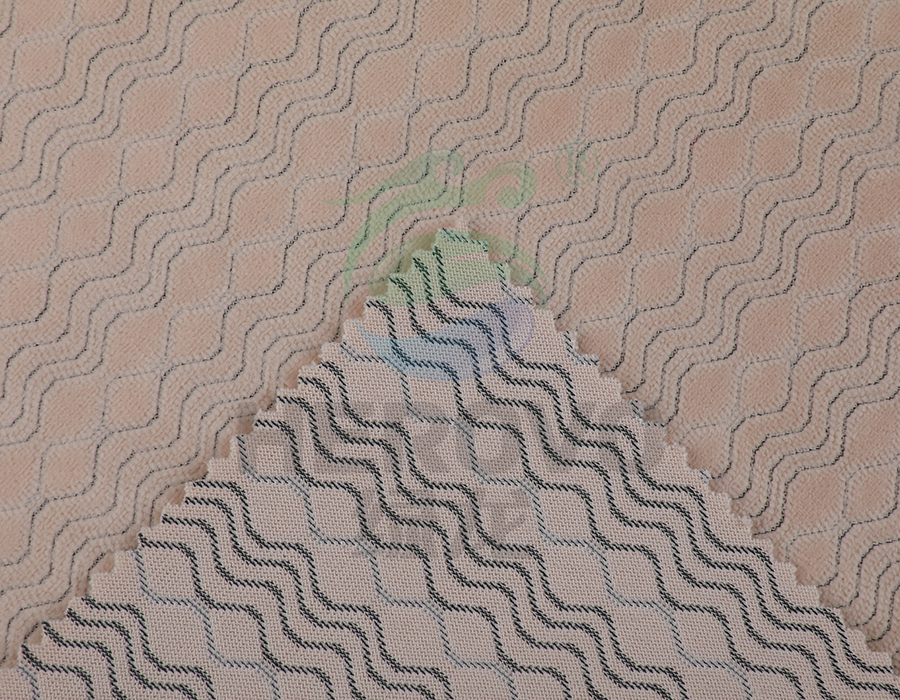
Knitted fabrics have become the mainstream high-performance material for modern automotive interiors, gradually replacing traditional woven fabrics and synthetic leather. Compared with conventional interior materials, automotive-grade knitted fabrics feature superior elasticity, air permeability, comfort and environmental adaptability. Through professional warp knitting and weft knitting processes and targeted functional finishing, they can meet the dual needs of vehicle interior comfort, durability and safety. Meanwhile, their flexible texture and diverse shaping capabilities support personalized interior design, making them widely used in seats, ceilings, door panels and other core interior parts, and becoming the key material for lightweight and high-end upgrading of automotive interiors.
Automotive interior knitted fabrics are professionally classified according to knitting processes, structural characteristics and functional attributes. Different types of knitted fabrics have distinct performance differences and targeted application scenarios, which directly determine their applicability in vehicle interior manufacturing. The mainstream classification in the industry is based on knitting technology, which is divided into warp knitted fabrics and weft knitted fabrics, supplemented by composite knitted fabrics optimized for vehicle-specific needs.
Warp knitted fabrics are formed by warp yarns looping along the fabric longitudinal direction, featuring stable structure, low deformation rate and excellent wear resistance. The gram weight of mainstream automotive-grade warp knitted fabrics ranges from 70 to 320g per square meter, which can realize flat smooth surface or suede texture through grinding and napping finishing processes. The structural stability of warp knitted fabrics makes their dimensional deformation rate less than 3% under long-term tension, avoiding loose edges and wrinkling after long-term use in vehicle interiors. This type of fabric is mostly made of polyester fiber with high environmental adaptability, suitable for long-term high-temperature and low-temperature alternating environments inside vehicles.
Weft knitted fabrics are woven by single yarn looping horizontally, with outstanding elasticity and soft hand feel. The stretch rate of qualified automotive-grade weft knitted fabrics can reach more than 15%, which can perfectly fit the curved surfaces of automotive interior parts without tension folds. Different from warp knitted fabrics, weft knitted fabrics have richer surface textures, and can form three-dimensional mesh, jacquard and other personalized structures through process adjustment. They are superior in tactile comfort, especially suitable for parts that are in frequent contact with human bodies, solving the problem of stiff and stuffy traditional interior materials.
Composite knitted fabrics are multi-layer structural materials formed by compounding knitted surface layer with buffer layer and base material layer. The common structure is a three-layer composite of knitted surface layer, elastic buffer layer and PP base material, with a total thickness of about 2mm. This structural design integrates the softness of knitted fabrics with the support performance of composite materials, realizing the integration of comfort and durability. Some upgraded composite knitted fabrics also add waterproof and breathable functional layers, which greatly improves the comprehensive performance of the fabric.
| Fabric Type | Elasticity | Structural Stability | Main Application Scenarios |
|---|---|---|---|
| Warp Knitted Fabric | Moderate | Excellent | Ceiling, Pillar, Sun Visor |
| Weft Knitted Fabric | Excellent | Good | Seat Surface, Steering Wheel Cover |
| Composite Knitted Fabric | Good | Superior | Door Panel, Armrest |
The widespread application of knitted fabrics in automotive interiors is attributed to their unique structural advantages, which solve many pain points of traditional interior materials such as poor air permeability, hard texture, easy aging and single style. Its core performance advantages are reflected in comfort, durability, environmental protection and design diversity, fully adapting to the complex use environment of automotive interiors.
The special looping structure of knitted fabrics forms tiny and uniform gaps between yarns, which creates a natural air circulation channel. This structural feature endows the fabric with excellent breathable and moisture-permeable performance. Test data shows that the moisture permeability of high-quality automotive knitted fabrics can reach 8250g/(m²·d) under high temperature and high humidity conditions, which is nearly three times higher than that of traditional PVC interior materials, close to the level of natural leather. This performance effectively avoids stuffiness and sweating when the human body contacts the interior for a long time, realizing a constant and comfortable microclimate inside the car. In addition, knitted fabrics have moderate thermal insulation, which can avoid overheating in summer and excessive cold in winter compared with leather and plastic materials.
Different from the rigid woven structure of traditional fabrics, the flexible looping structure of knitted fabrics gives them outstanding tensile and recovery properties. The elastic stretch range of mainstream automotive knitted fabrics can adapt to the curved surfaces of various complex interior parts. During the vehicle manufacturing process, the fabric can be tightly fitted to the surface of parts without manual wrinkle removal, which improves the fitting precision of interior decoration. Moreover, the fabric has good fatigue resistance, and it can still maintain a flat and tight state after millions of repeated extrusion and friction, without loosening or sagging, ensuring the long-term appearance of the interior.
The interior environment of the vehicle is complex, with long-term alternating high and low temperatures, ultraviolet radiation and frequent friction. Automotive-grade knitted fabrics are made of high-quality modified fibers and undergo special anti-aging and anti-UV finishing. They have excellent anti-fading and anti-aging capabilities, and will not harden, crack or fade after long-term exposure to sunlight and high temperature inside the car. At the same time, the optimized yarn structure greatly improves the anti-pilling and wear resistance of the fabric. Compared with ordinary textile fabrics, its service life in vehicle interior scenarios is increased by more than 40%, meeting the long-term use requirements of vehicles.
Modern automotive interior knitted fabrics abandon harmful chemical additives in the production process, and adopt environmentally friendly dyeing and finishing processes. The finished products have extremely low volatile organic compound content and no peculiar smell after installation. Different from synthetic leather which is easy to release harmful gases under high temperature, knitted fabrics can maintain a clean and safe air environment inside the car. In addition, most knitted fabrics are made of recyclable polyester fibers, which conform to the lightweight and environmentally friendly development trend of the automotive industry, and can reduce the overall energy consumption and carbon emissions of vehicle production.
With the continuous upgrading of automotive interior requirements, knitted fabrics have covered almost all soft decoration parts of vehicle interiors. Different types of knitted fabrics are selected for targeted application according to the functional and aesthetic requirements of different interior parts, realizing the organic unity of practicability and decoration.
Automotive interior knitted fabrics belong to industrial-grade textile materials, and their selection needs to strictly follow vehicle industry standards, focusing on performance indicators such as safety, durability and environmental protection, rather than simply pursuing appearance and hand feel. The core selection standards cover the following key dimensions.
With the development of intelligent, lightweight and personalized automobiles, the process technology and product form of automotive interior knitted fabrics are also constantly upgraded. The industry is moving towards functional integration, personalized customization and green sustainability, opening up a broader application space.
In terms of process upgrading, traditional single-function knitted fabrics are gradually replaced by multi-functional integrated fabrics. Through nano-functional finishing, composite lamination and other technologies, knitted fabrics can integrate waterproof, anti-fouling, antibacterial, heat insulation and other multiple functions. At the same time, digital jacquard knitting technology is widely used, which can realize complex color matching and three-dimensional texture design on the fabric surface, breaking the single style of traditional interior materials and meeting the personalized design needs of new energy vehicles and intelligent vehicles.
In terms of lightweight development, high-count and high-density lightweight knitted fabrics have become the mainstream trend. While ensuring performance, they effectively reduce the weight of vehicle interior decoration, help reduce vehicle energy consumption and improve cruising range, which is of great significance for new energy vehicles. In addition, recyclable and bio-based knitted fabrics are gradually industrialized. Using renewable raw materials to replace traditional chemical fibers, the whole life cycle environmental protection of interior materials is realized.
In the future, with the further improvement of vehicle interior comfort and intelligent requirements, knitted fabrics will also realize intelligent upgrading. Functional knitted fabrics with sensing and temperature adjustment functions are in the research and development stage, which can perceive human body temperature and pressure changes, and adaptively adjust fabric comfort performance, bringing more intelligent and comfortable riding experience.

Copyright © Zhejiang Herovo New Materials Co., Ltd. Custom Warp Knitting Textile Fabrics Manufacturers
 www.herovo.com


 英语
 中文简体