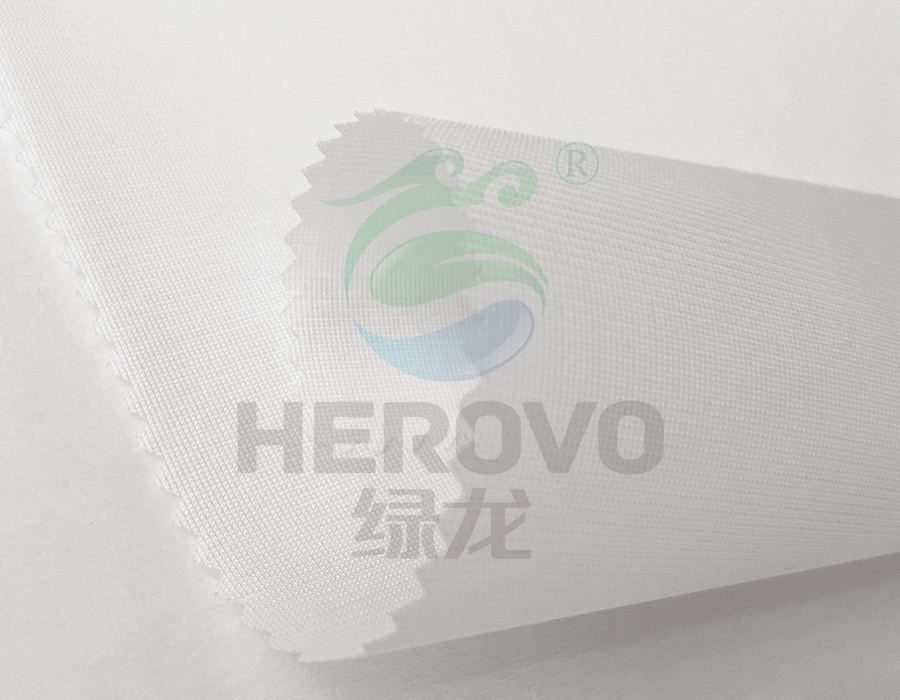
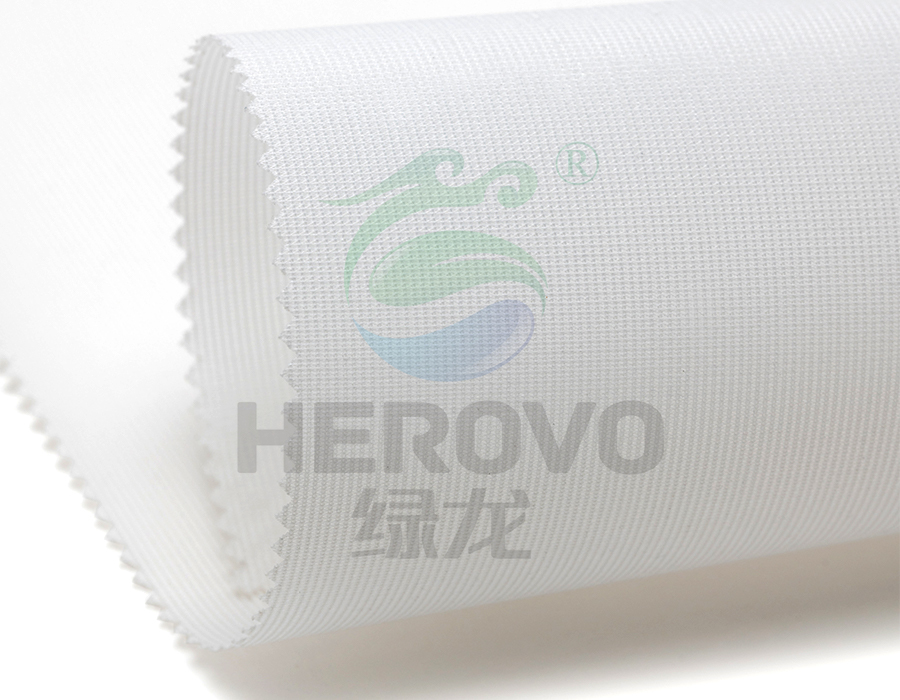
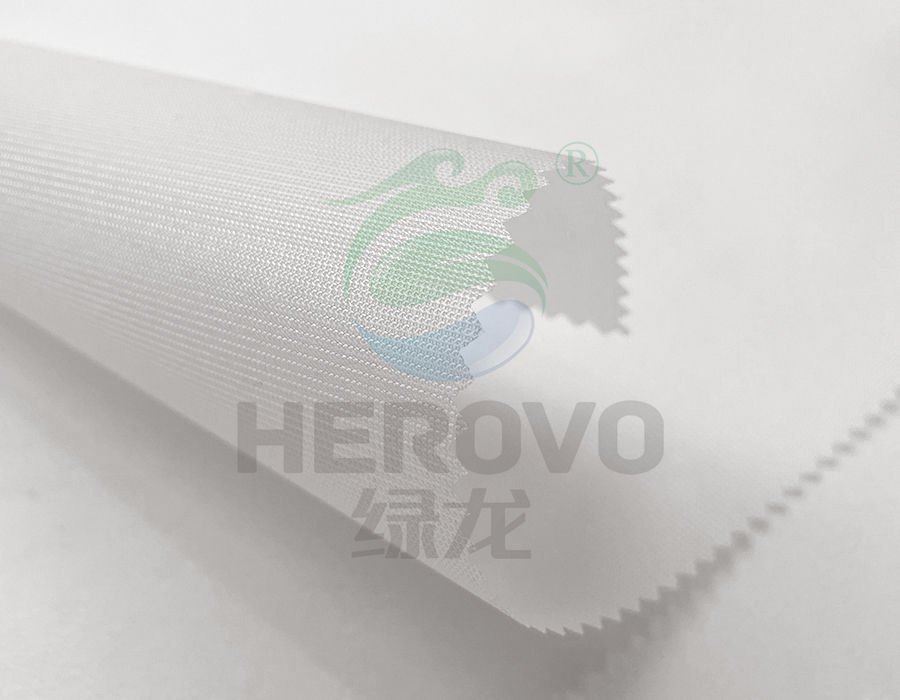
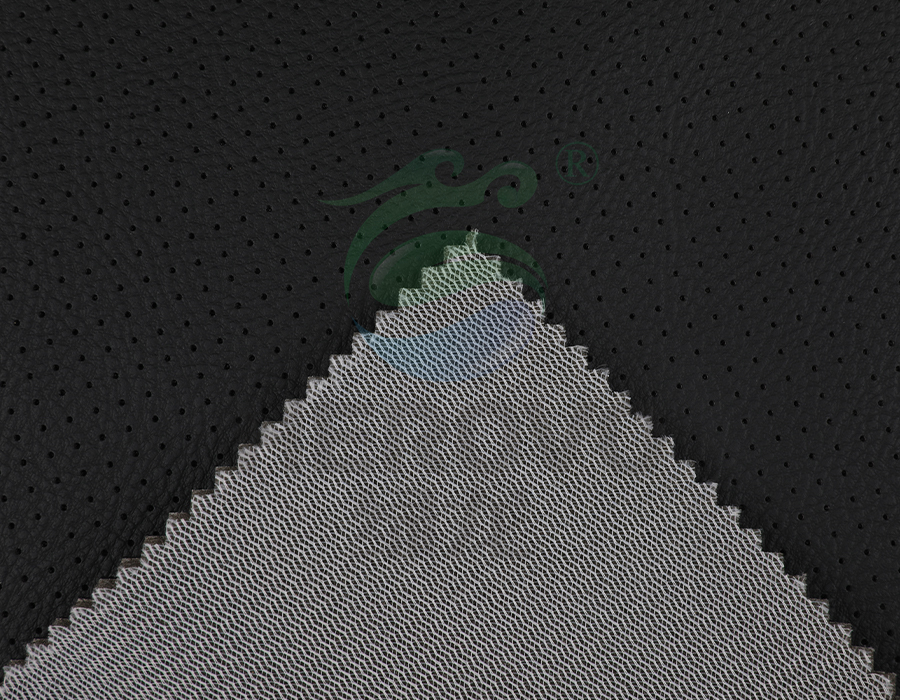
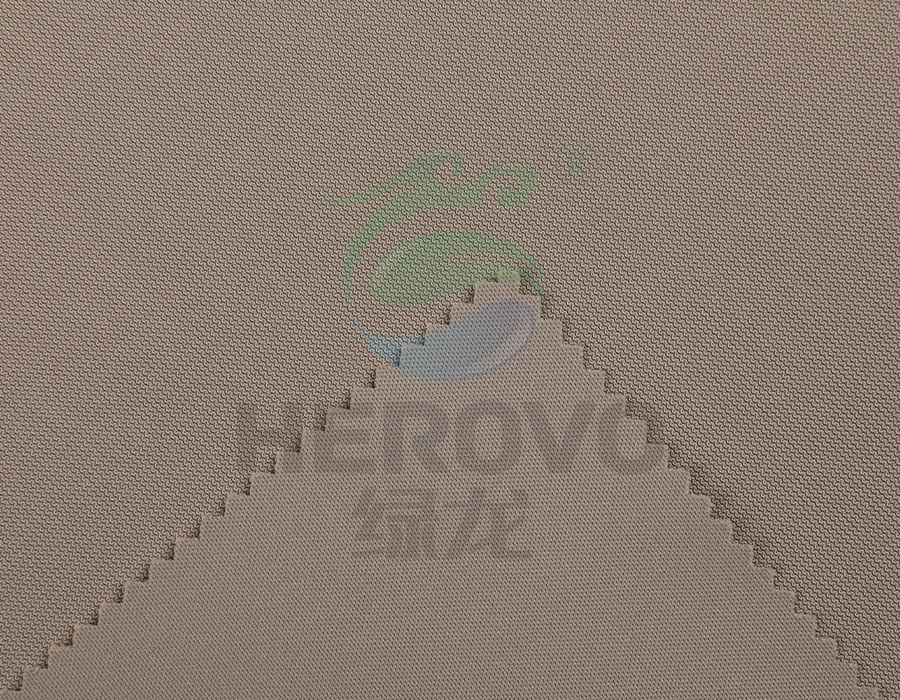
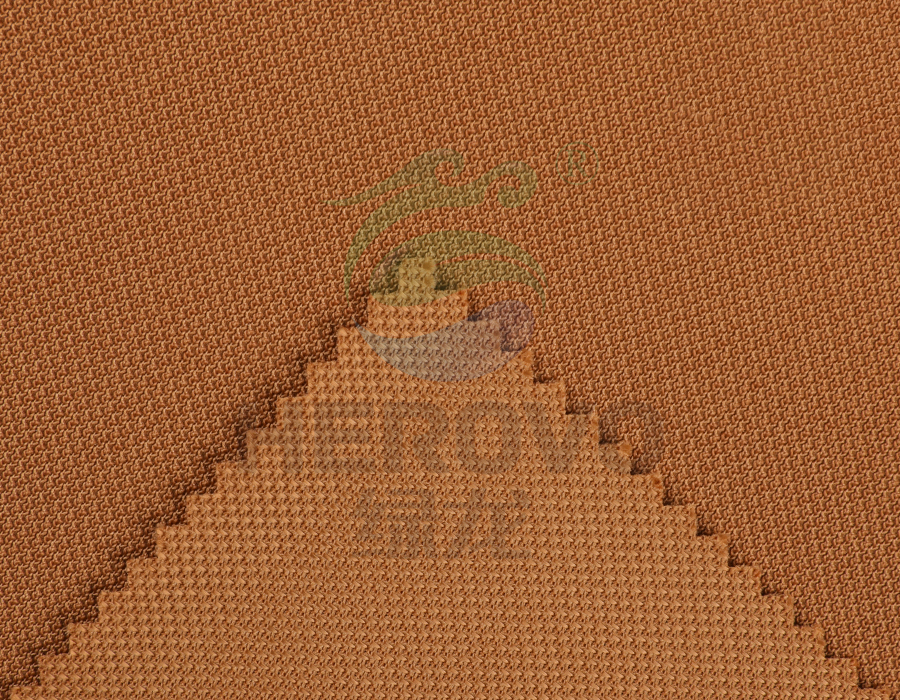
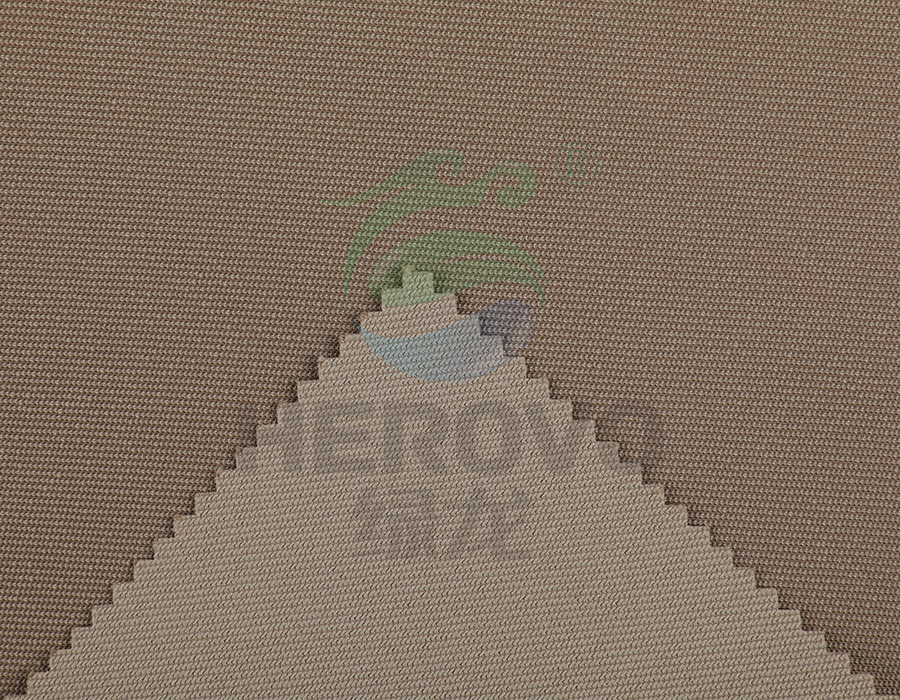
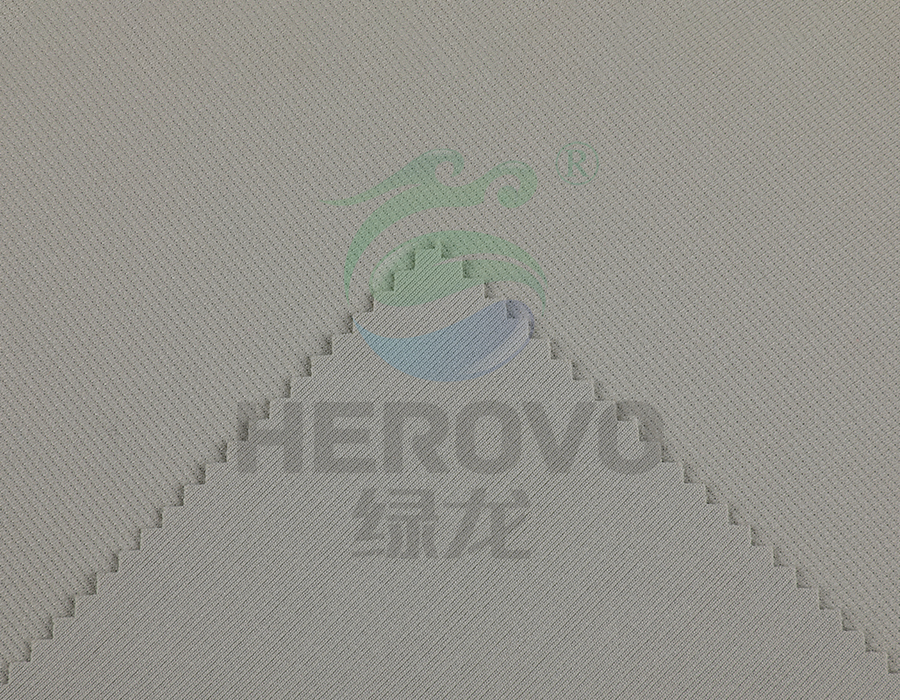
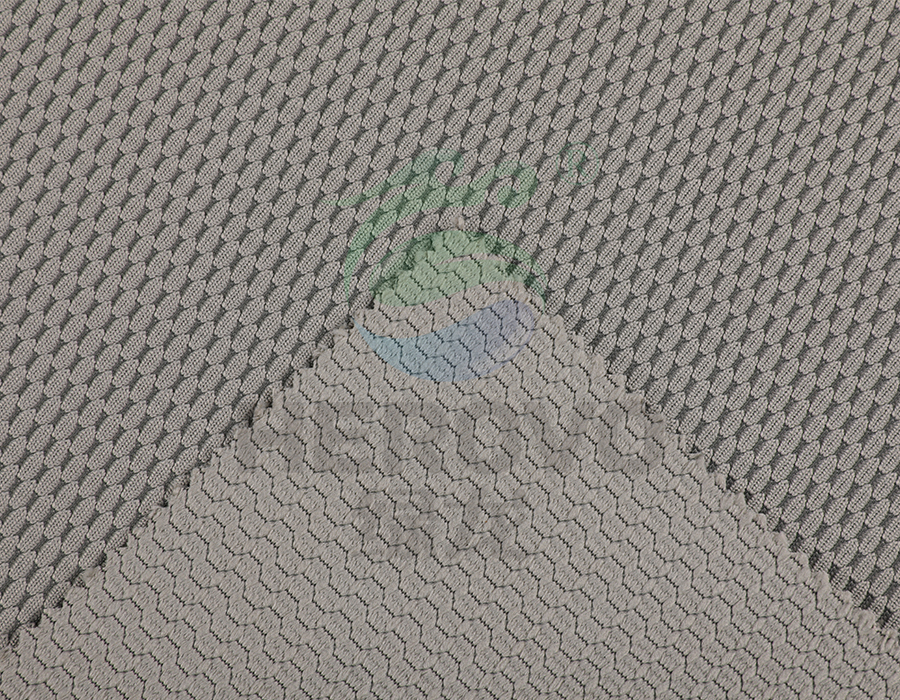
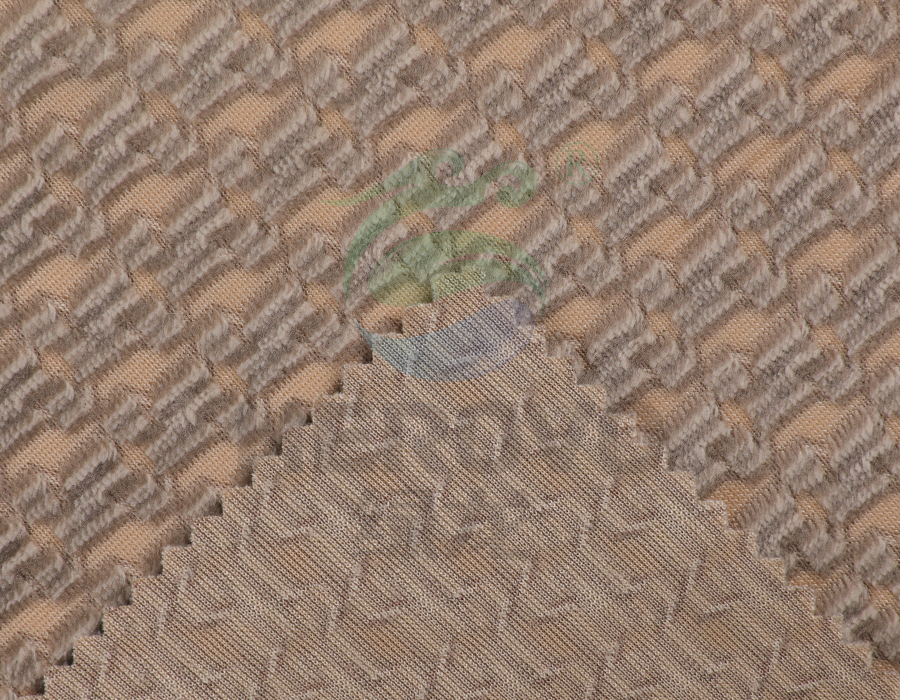
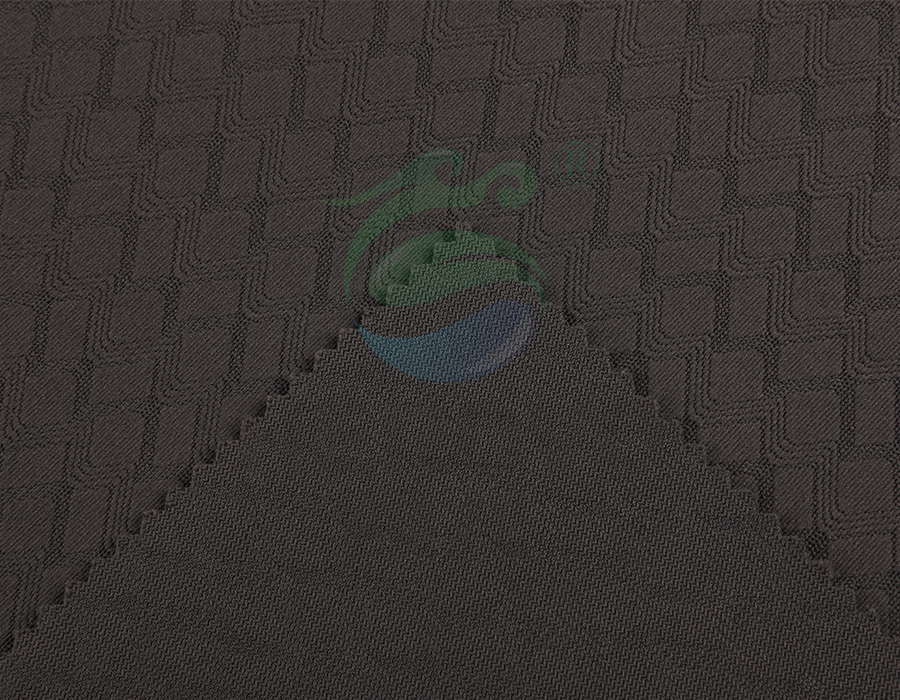
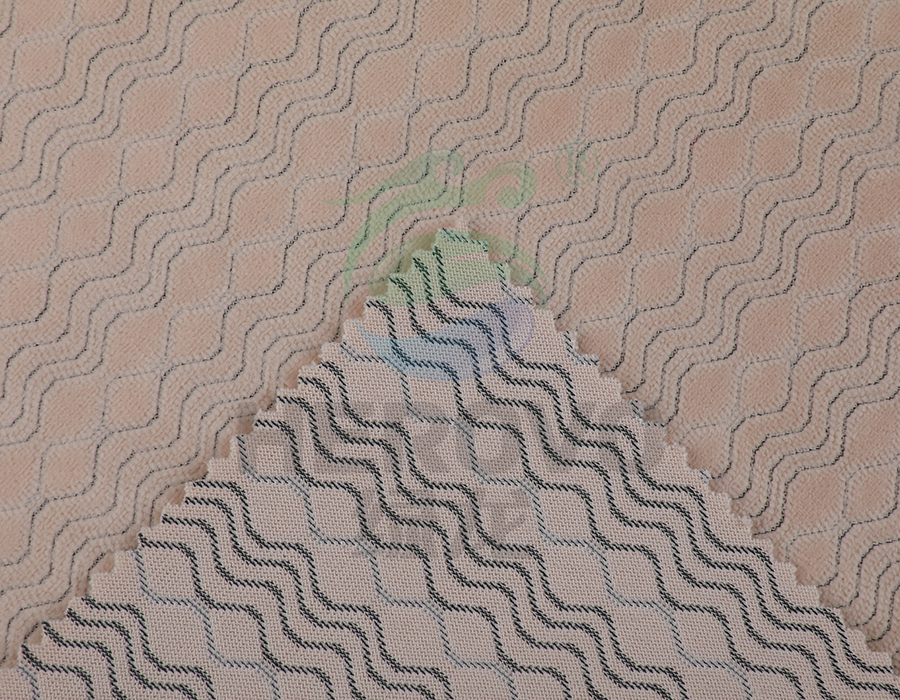
Knitting fabric serves as the fundamental textile architecture for modern automotive interiors, offering an unmatched combination of breathability, stretch, and structural integrity. It has become the predominant choice for seating upholstery, door panel inserts, and headliners due to its ability to conform to complex geometric shapes while reducing overall vehicle weight. Unlike traditional woven textiles that rely on rigid interlacing, knitted structures consist of interlocking loops. This looped configuration inherently provides multidirectional elasticity, allowing the fabric to stretch over foam substrates without wrinkling or tearing. As automotive manufacturers continue to prioritize passenger comfort, weight reduction, and sustainability, knitting fabric remains the most versatile and functional material solution available.
The looped structure of knitting fabric creates microscopic air channels within the textile. This inherent porosity allows air to circulate freely between the passenger and the seat cushion. During prolonged drives, this continuous airflow prevents the buildup of heat and moisture, which is a primary cause of driving fatigue. The enhanced breathability of knitted textiles significantly reduces perspiration accumulation compared to flat woven alternatives. In cold weather, the same air pockets trap body heat, providing a layer of thermal insulation that works synergistically with automotive seat heaters.
Modern car seats are highly ergonomic, featuring aggressive side bolsters and complex curves designed to hold the occupant securely in place. Knitting fabric naturally possesses four-way stretch capabilities. This elasticity allows the upholstery to contour precisely to the underlying foam shape without requiring excessive seam lines or stitching. By reducing the number of seams, manufacturers not only lower production costs but also eliminate pressure points that can cause discomfort on long journeys.
A major breakthrough in automotive seating is the adoption of 3D spacer knitting fabric. This specialized textile consists of two distinct surface layers connected by a dense network of vertical monofilament yarns. The resulting structure acts as a built-in suspension system, replacing traditional coconut fiber or rigid polyurethane barriers. 3D knitted spacer fabrics distribute occupant weight far more evenly than conventional foam, reducing pressure on the spine and thighs. Furthermore, the hollow core of this structure facilitates continuous air circulation, permanently resolving the issue of trapped humidity within the seat assembly.
Modern automotive designers demand materials that can reflect specific interior themes, ranging from sporty minimalism to luxury opulence. Jacquard knitting technology allows for the integration of complex, multicolor patterns directly into the fabric structure during the manufacturing process. Unlike printed designs that fade or peel, jacquard knitted patterns are an intrinsic part of the textile. This ensures long-lasting visual appeal and allows for seamless integration of automotive brand logos or geometric patterns directly onto seat backrests and door bolsters.
The automotive industry utilizes several distinct knitting architectures, each selected for specific physical properties and application zones within the cabin. The choice between warp and weft knitting determines the fabric's stability, stretch, and visual texture.
| Fabric Type | Primary Characteristics | Interior Application |
|---|---|---|
| Warp Knit | High dimensional stability, limited stretch, ravels less | Headliners, door panel inserts, pillar trims |
| Weft Knit | High stretchability, soft hand feel, excellent drape | Seat upholstery, headrests, armrest covers |
| Double Needle Bar Spacer | Thick 3D structure, high compression resilience | Seat comfort layers, suspension mats |
The interior of a vehicle is a highly demanding environment. Automotive knitting fabric must withstand extreme temperature fluctuations, prolonged ultraviolet exposure, and continuous physical abrasion without degrading. To ensure safety and longevity, knitted textiles are subjected to rigorous evaluation protocols.
Automotive knitting fabrics are engineered to survive tens of thousands of abrasion cycles while maintaining their structural elasticity and color integrity. The yarns used are typically solution-dyed, meaning the color is injected into the polymer melt before extrusion. This makes the color an integral part of the fiber itself, providing unparalleled resistance to fading.
As the automotive industry shifts toward eco-conscious manufacturing, the integration of recycled materials into knitting fabric has accelerated rapidly. Post-consumer plastics, particularly discarded water bottles, are processed, melted, and extruded into high-tenacity polyester yarns. These recycled knitted fabrics match the performance of virgin polyester while drastically reducing the carbon footprint of the vehicle interior. Furthermore, bio-based yarns derived from renewable resources are being tested for use in seat covers, offering a completely biodegradable end-of-life solution.
The future of automotive interiors lies in seamless technological integration. Advanced knitting machines can now interweave conductive stainless steel or copper yarns directly into the fabric structure. This transforms the seat cover into a functional electronic component. These smart knitting fabrics can monitor the occupant's heart rate, detect posture to optimize airbag deployment, and provide uniform, wire-free heating across the entire seating surface. By embedding the technology directly into the knit, the interior maintains a soft, traditional feel while offering advanced biometric and comfort capabilities.

Copyright © Zhejiang Herovo New Materials Co., Ltd. Custom Warp Knitting Textile Fabrics Manufacturers
 www.herovo.com


 英语
 中文简体