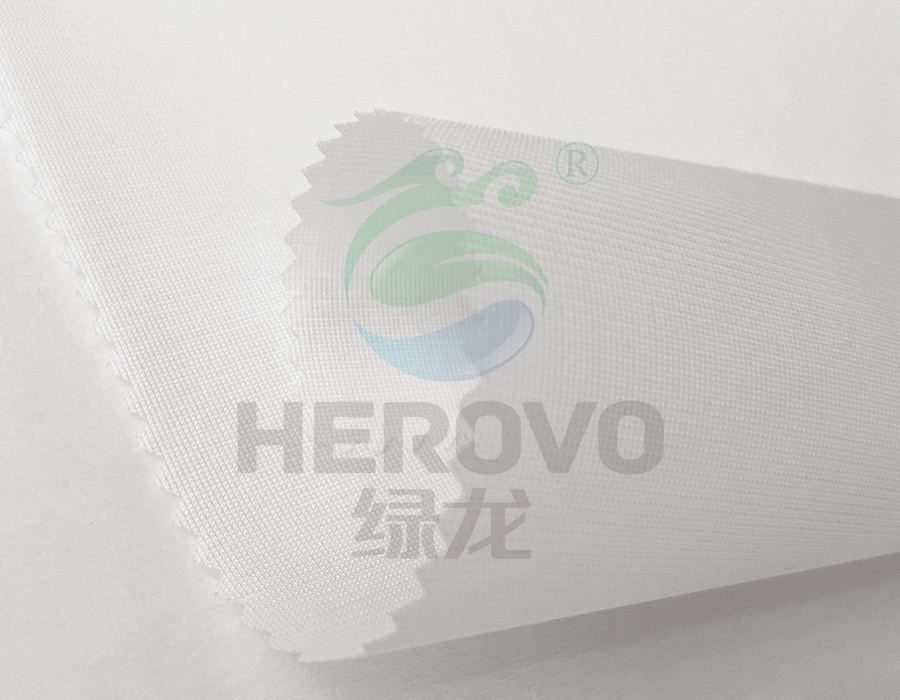
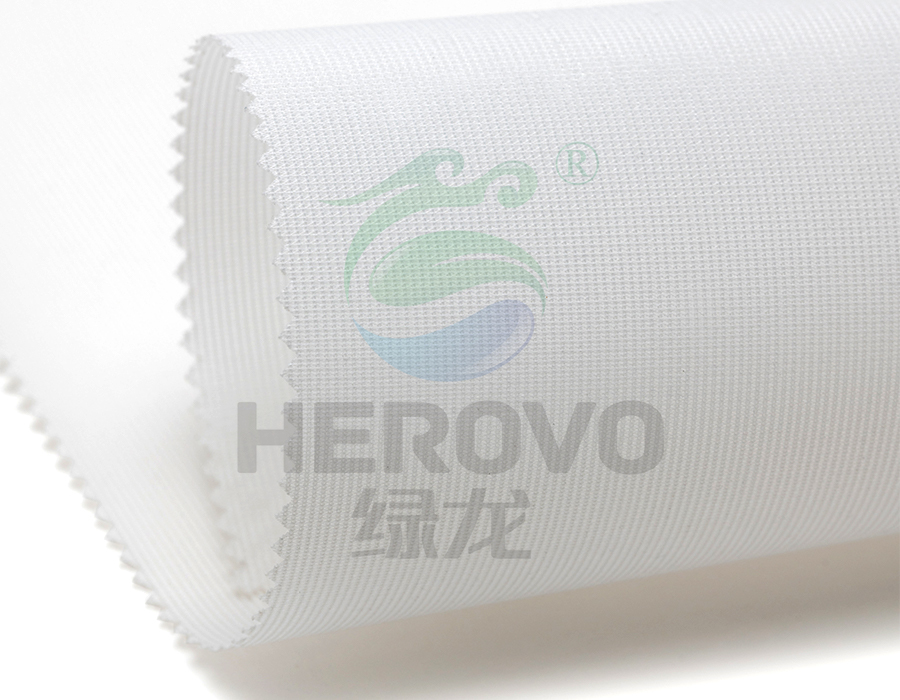
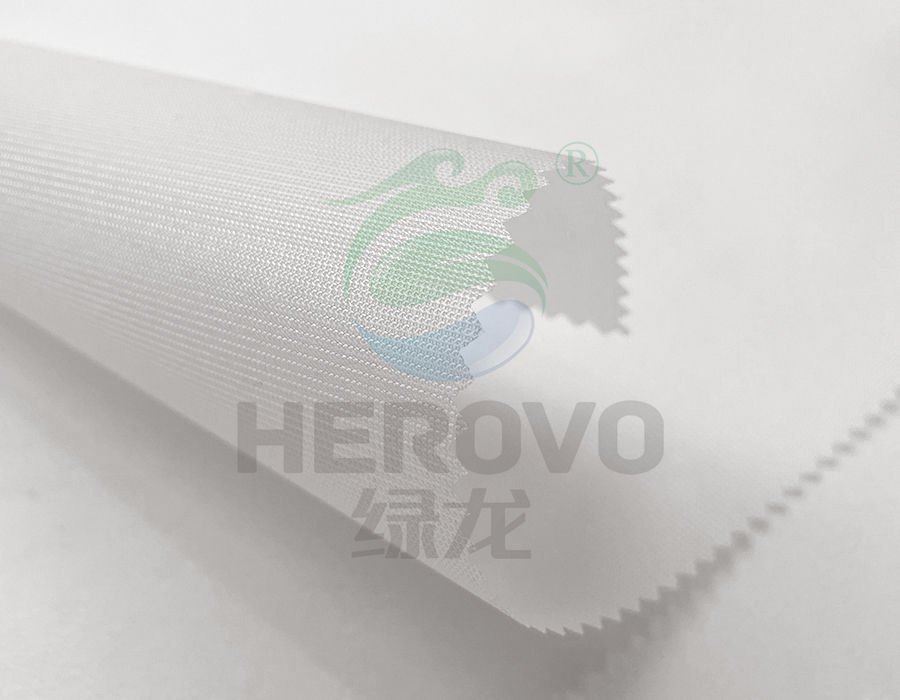
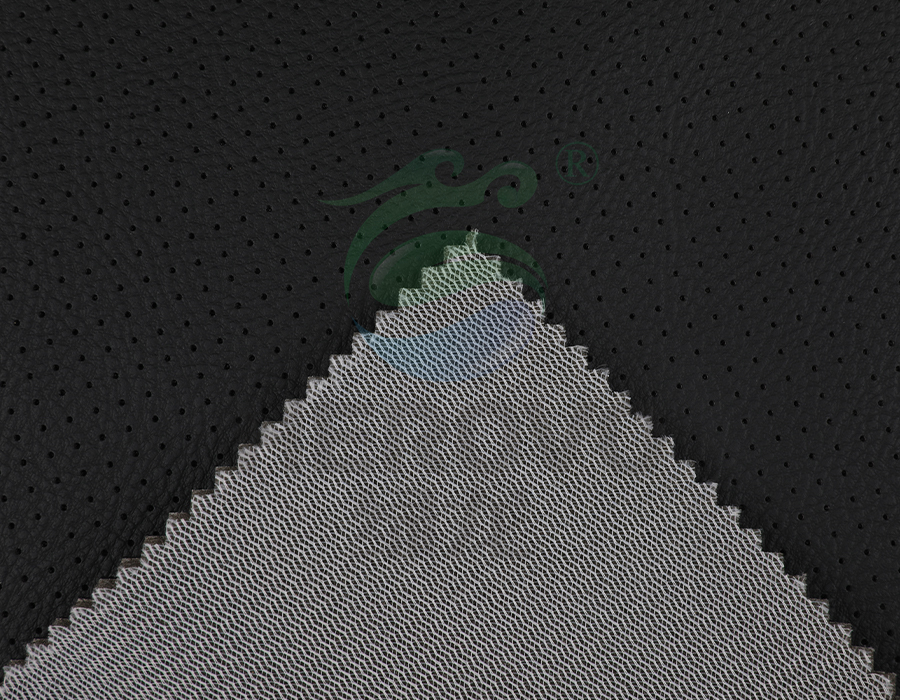
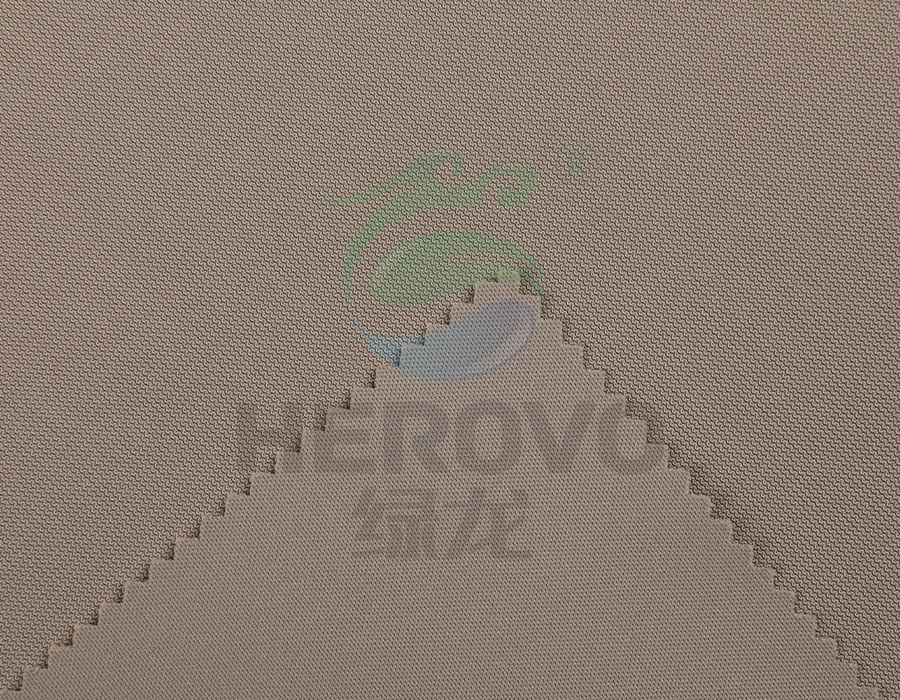
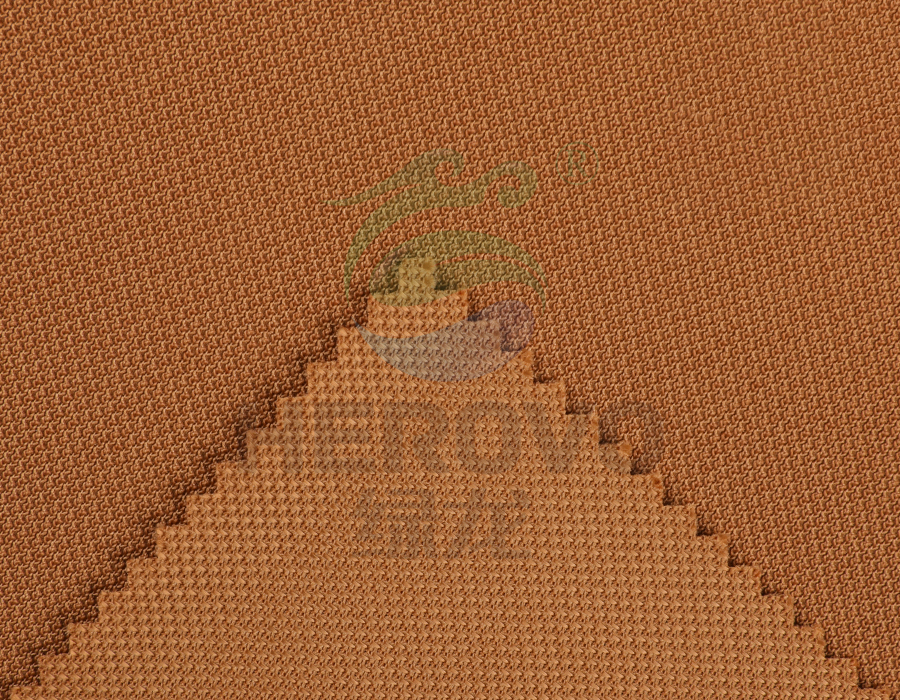
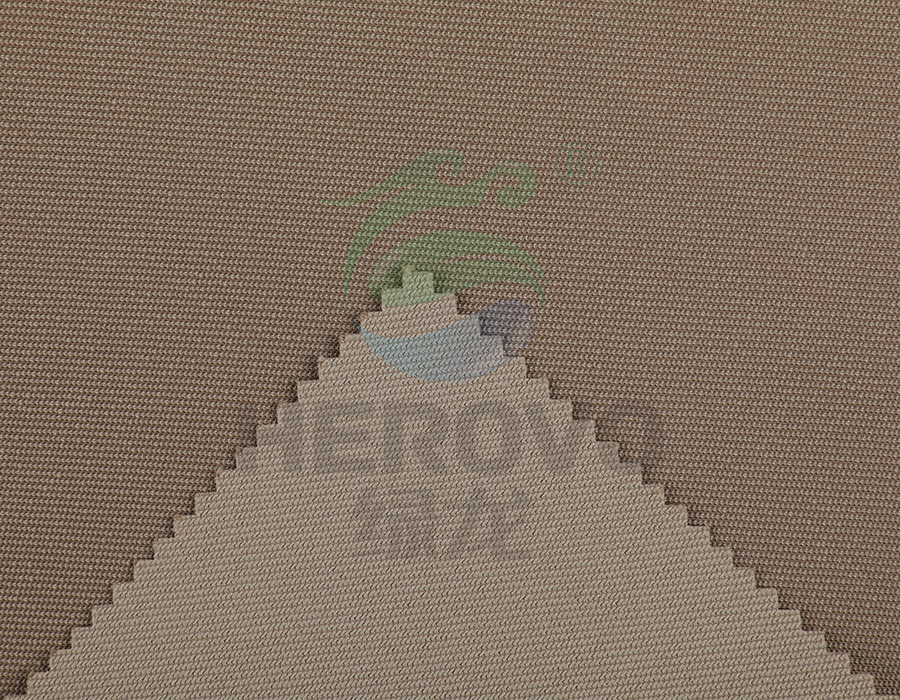
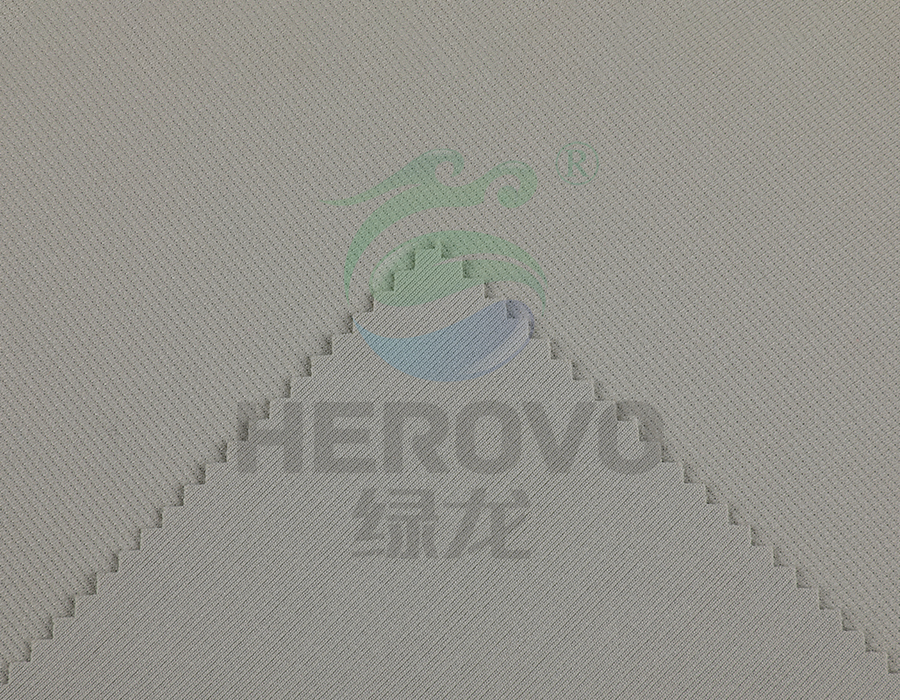
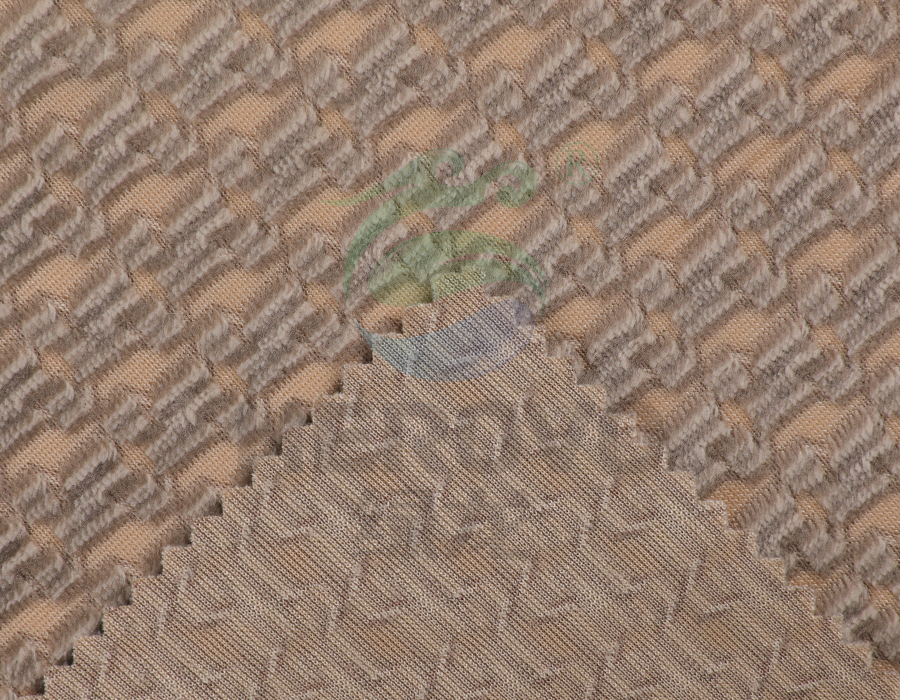
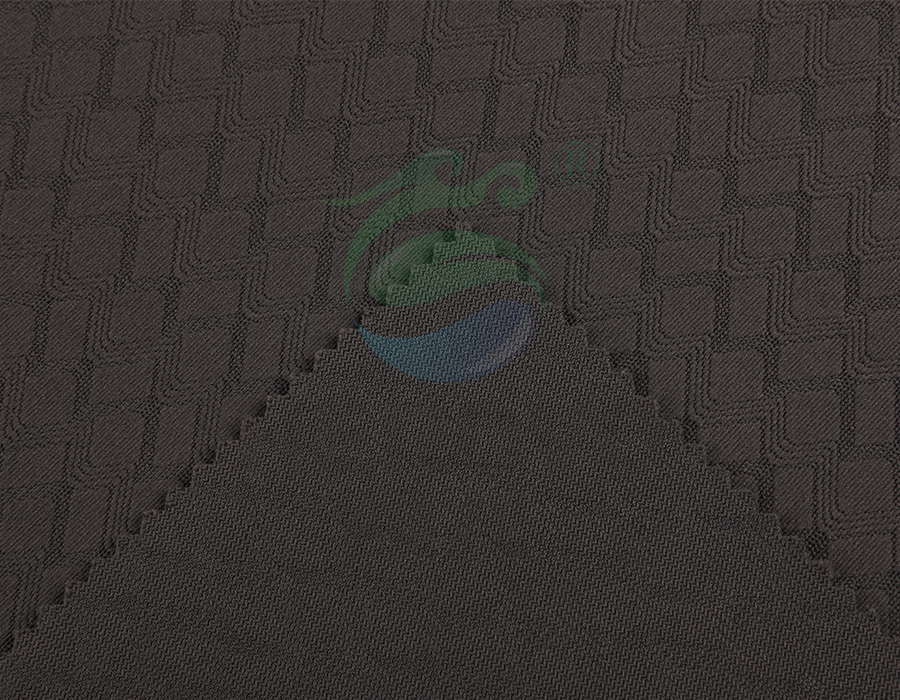
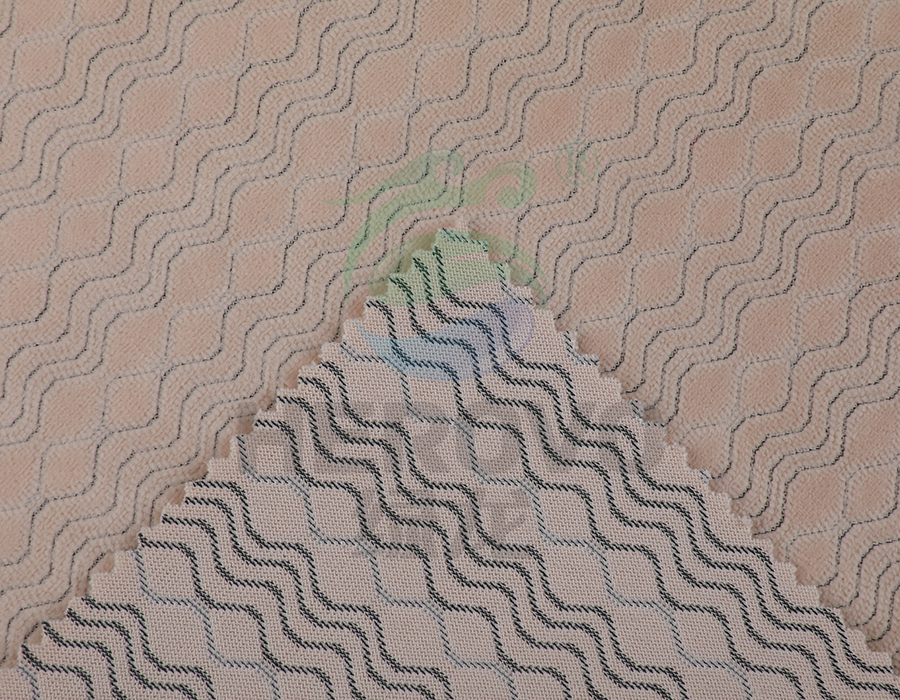
Automotive interior fabric is far more than a mere covering for seats and door panels; it is a fundamental component that dictates the aesthetic appeal, comfort, and longevity of a vehicle's cabin. The choice of fabric directly impacts the driver's experience and the vehicle's resale value. While leather has its prestige, textile fabrics—particularly those utilizing advanced knitting technologies—have become the industry standard for the majority of vehicles due to their versatility, cost-effectiveness, and design flexibility. These fabrics must withstand rigorous daily use, exposure to sunlight, and temperature fluctuations while maintaining their structural integrity and visual appeal.
Modern vehicles demand materials that are lightweight yet durable. The shift towards lighter vehicles for fuel efficiency has placed greater importance on high-strength, low-weight textiles. Unlike rigid materials, fabrics offer a degree of sound dampening, contributing to a quieter cabin environment. They also provide a softer touch in areas where occupants frequently interact, such as armrests and center consoles, enhancing the overall perception of quality. Consequently, the selection process involves a careful balance of engineering performance and sensory design.
The vast majority of automotive interior fabrics are derived from synthetic fibers, chosen for their superior resistance to wear and environmental degradation. Natural fibers, while occasionally used for specific eco-friendly niches, generally lack the resilience required for the harsh automotive environment.
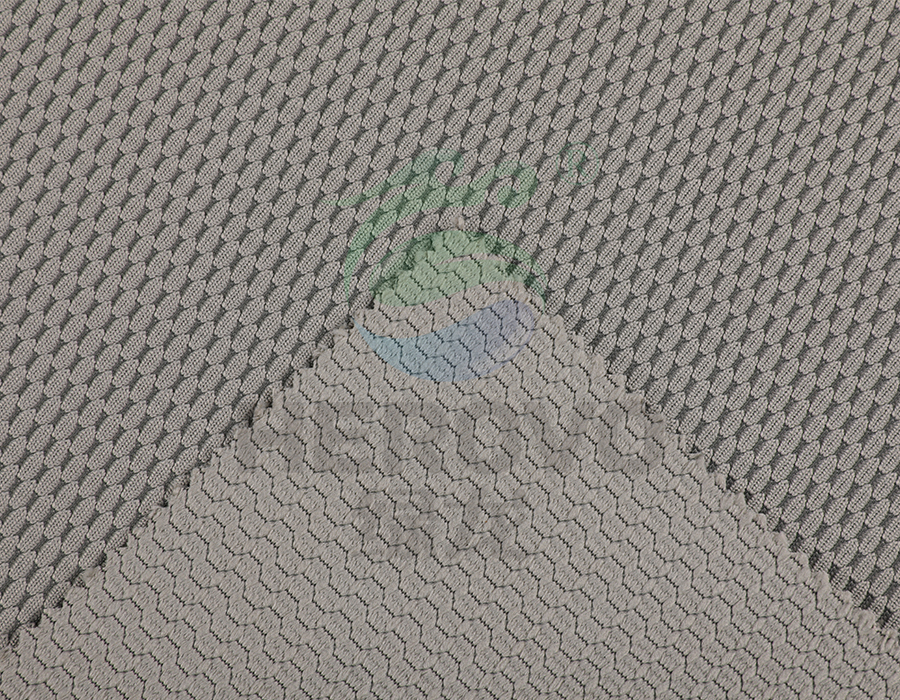
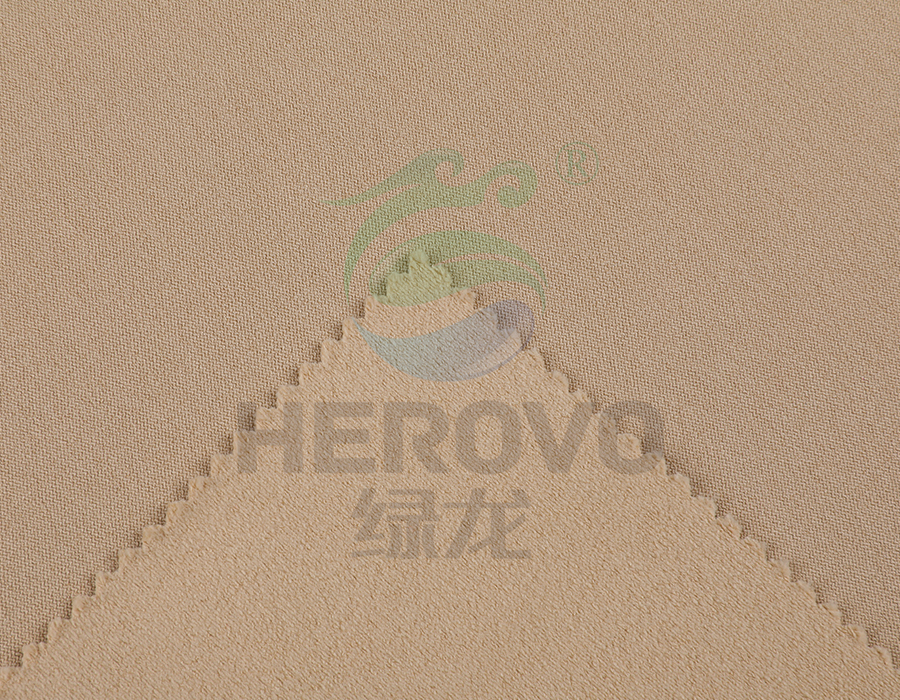
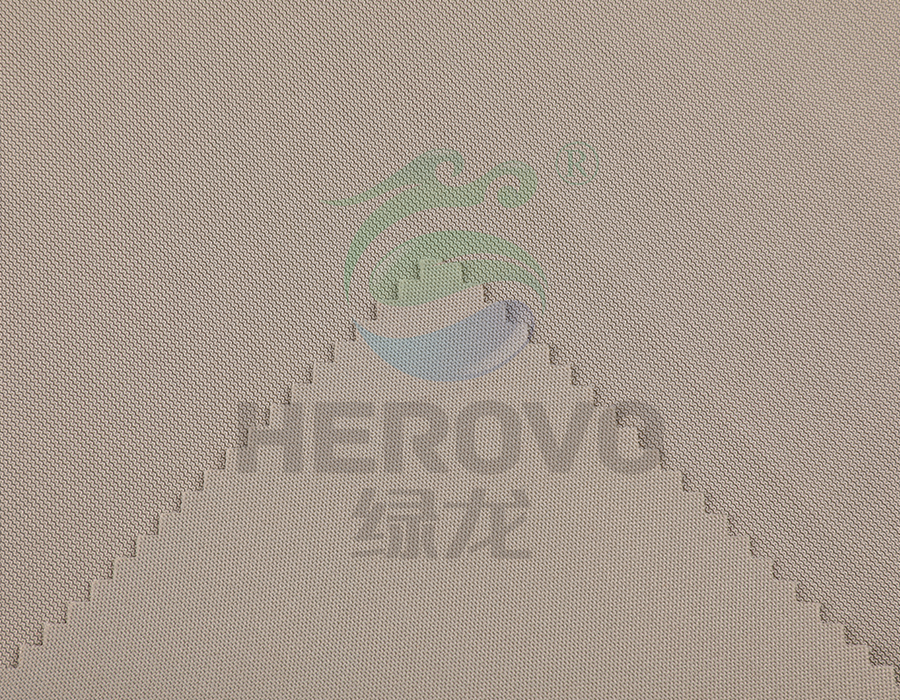
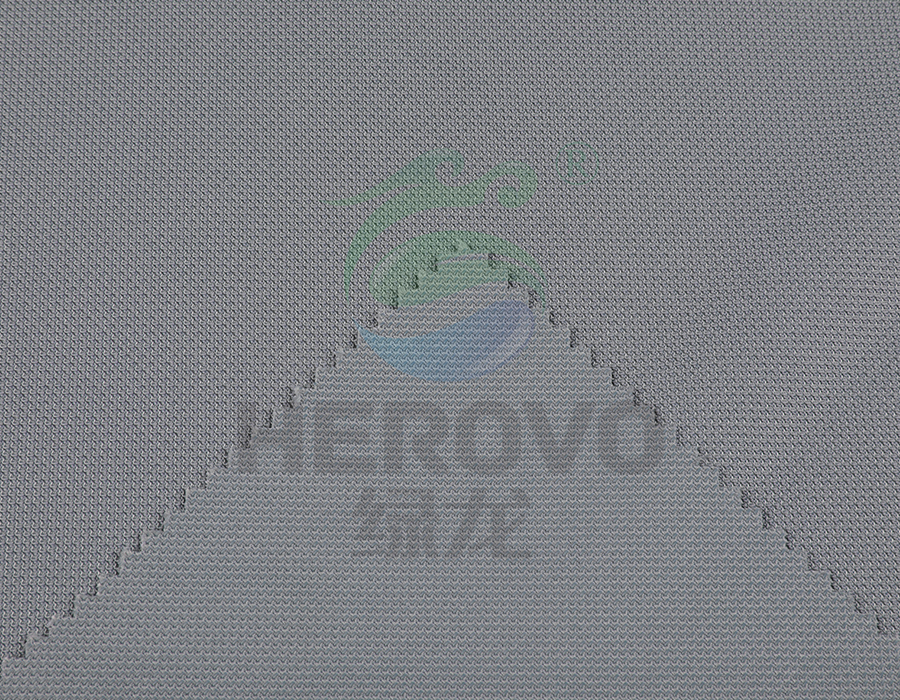
Among the various construction methods, knitted fabrics have emerged as a preferred choice for automotive seating. Unlike woven fabrics, which are rigid and can fray at the edges, knitted textiles are constructed by interlocking loops of yarn. This structure provides inherent elasticity, allowing the fabric to stretch and conform to the complex, contoured shapes of modern seat frames without wrinkling. Knitted fabrics provide superior breathability compared to coated materials, improving occupant comfort during long drives.
The two primary knitting methods used in automotive applications are warp knitting and weft knitting. Warp knitting, particularly the Tricot technique, is widely used for seat covers. It produces a stable, run-resistant fabric that can still offer a degree of stretch. This method allows for precise control over the surface texture, enabling designers to create intricate patterns and ribbed effects that are visually appealing. Weft knitting, on the other hand, is more akin to hand knitting and provides higher elasticity. It is often used for applications requiring a soft, sweatshirt-like feel, though it requires backing to ensure dimensional stability in a vehicle interior.
A significant innovation in the field of automotive interior fabric is the use of 3D spacer fabrics. These are knitted with two distinct layers connected by a thick layer of spacer yarns. This creates a breathable, springy cushion that can replace traditional foam padding. Spacer fabrics improve air circulation between the occupant and the seat, significantly reducing heat buildup and moisture accumulation. This technology is particularly valuable in enhancing the comfort of seats in warm climates and reducing the complexity of seat assembly.
Choosing the right fabric construction is critical for meeting the specific requirements of different vehicle zones. The following table outlines the key differences between woven and knitted fabrics in automotive contexts.
| Feature | Woven Fabric | Knitted Fabric |
|---|---|---|
| Elasticity | Low; stable but rigid | High; conforms to 3D shapes |
| Breathability | Moderate; depends on weave density | High; open loop structure |
| Seam Slippage | Higher risk of fraying | Low; edges do not fray easily |
| Design Potential | Classic patterns, pinstripes | Complex textures, 3D effects |
| Primary Use Case | Door panels, headrests | Main seating surfaces |
An automotive interior fabric cannot simply look good; it must survive in one of the harshest environments for textiles. Engineers subject these materials to a battery of standardized tests to ensure safety and durability. Failure in any of these areas can lead to warranty claims and customer dissatisfaction.
To meet the demanding performance criteria, raw fabrics undergo various finishing processes. These treatments are applied to the surface or impregnated into the fibers to add functional properties that the base polymer lacks.
In a daily driver, spills are inevitable. Coffee, soda, and mud are common hazards. Modern automotive interior fabrics are frequently treated with soil-release and stain-resistant finishes, such as fluorocarbon treatments. These create a barrier that prevents liquids from soaking into the fiber, allowing them to be wiped away easily. This treatment is essential for maintaining the hygiene and appearance of the vehicle's interior without requiring professional cleaning.
Recent years have seen a rise in demand for antimicrobial treatments. These finishes inhibit the growth of bacteria, mold, and fungi within the fabric. This is particularly important in humid climates where interior moisture can lead to odors. By integrating silver ions or other antimicrobial agents into the yarn or the finishing coat, manufacturers can ensure a healthier cabin environment for occupants.
The visual and tactile experience of an interior fabric is a major differentiator for automotive brands. Designers use fabric to convey a specific identity—whether it be sporty, luxurious, or minimalistic.
Gone are the days of flat, smooth velour. Today's trends favor complex textures. Knitted fabrics allow for the creation of "technical" grains that mimic the look of performance gear or outdoor equipment. Raised ribs, geometric patterns, and twill effects are popular. These textures not only look sophisticated but also help hide minor soiling and wear over time, maintaining a fresh appearance longer.
Fabric is the canvas for the interior color palette. It must harmonize with the plastic trim, leather sections, and stitching. Advanced dyeing techniques allow for consistent color matching across different materials. Additionally, pattern design is used to create visual interest; for example, diamond patterns on knitted inserts are often used to suggest a premium or sporty trim level without the cost of quilted leather.
The automotive industry is under immense pressure to reduce its carbon footprint, and the interior sector is a key area of focus. Traditional polyester production relies on petroleum, but the industry is shifting rapidly.
Manufacturers are increasingly utilizing circular economy principles to produce fabrics from post-consumer waste. For instance, a typical vehicle seat set can be made using recycled plastic bottles. This process reduces reliance on virgin oil and lowers the energy consumption of the manufacturing process. Furthermore, the push for "clean chemistry" means that the dyes and finishes used are becoming free from harmful substances, ensuring that the cabin air quality remains safe and the end-of-life recycling of the vehicle is more feasible.
The future of automotive interior fabric lies in the integration of smart technologies. As vehicles transition towards autonomous driving, the interior becomes more of a living space, and the fabrics must adapt. We are seeing the early stages of fabrics that can integrate heating elements directly into the weave, eliminating the need for separate heating mats. There is also research into conductive yarns that could allow seat covers to sense occupant presence or monitor vital signs. The next generation of fabrics will be functional, sensing components rather than just passive coverings.
Knitted fabrics, with their ability to embed different yarn types in specific zones, will be at the forefront of this revolution. The flexibility of the knitting process allows engineers to place conductive threads exactly where they are needed, creating "smart surfaces" that blend seamlessly into the interior design. This convergence of textile engineering and electronic functionality represents the next major leap in vehicle interior quality and capability.

Copyright © Zhejiang Herovo New Materials Co., Ltd. Custom Warp Knitting Textile Fabrics Manufacturers
 www.herovo.com


 英语
 中文简体