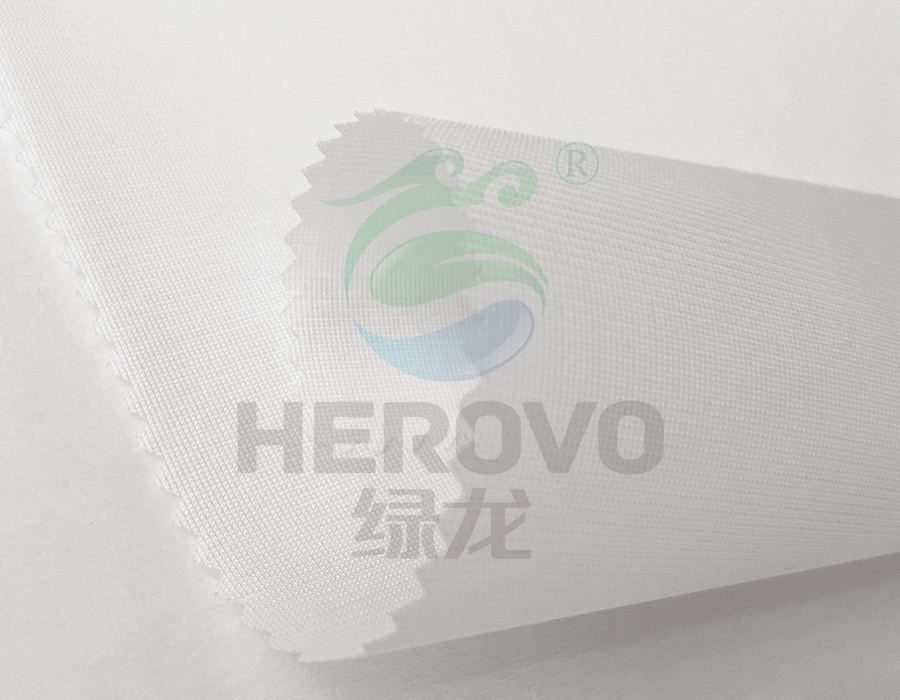
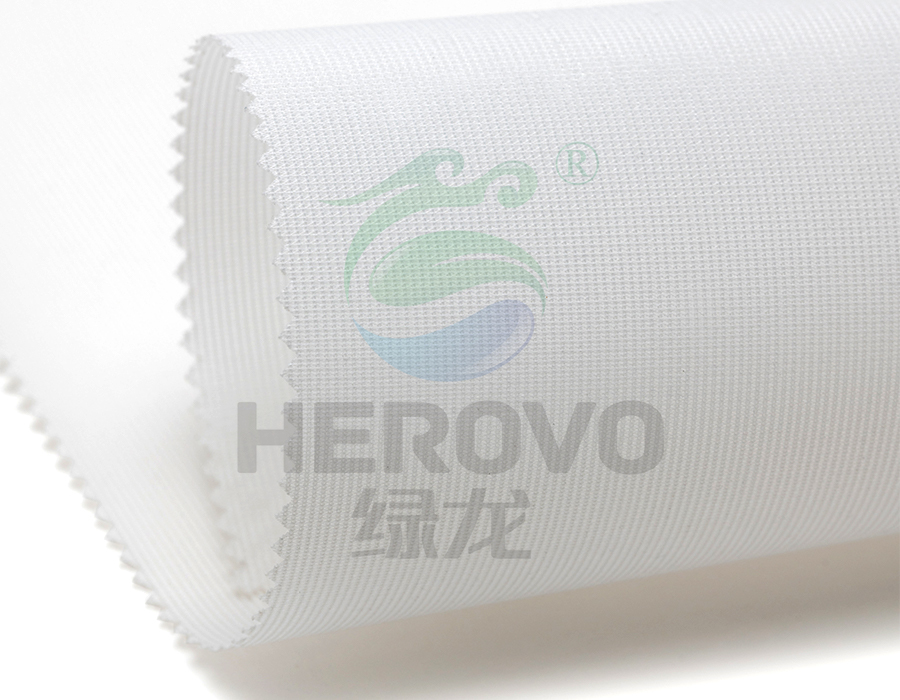
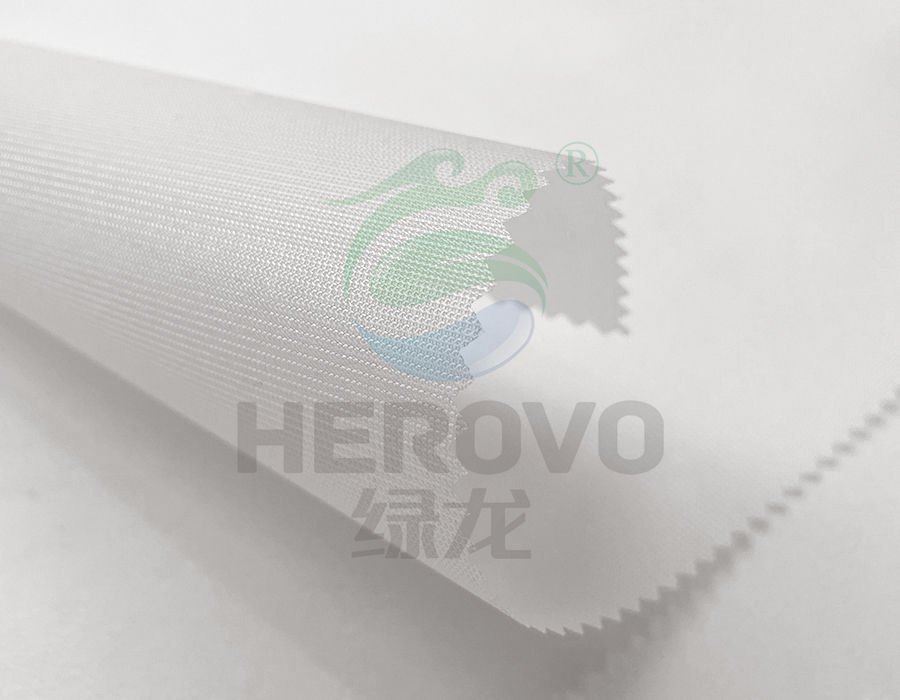
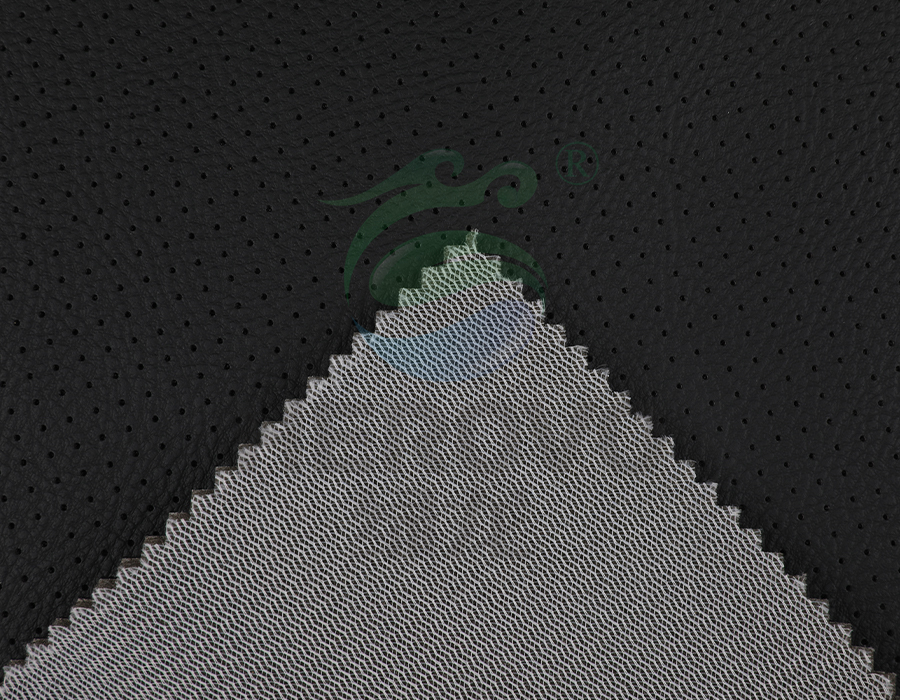
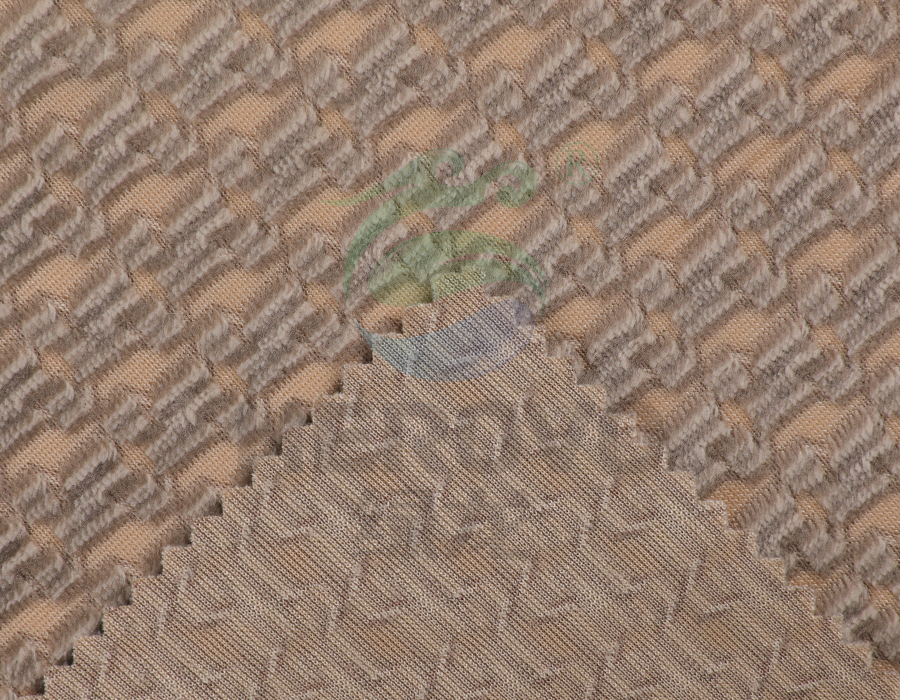
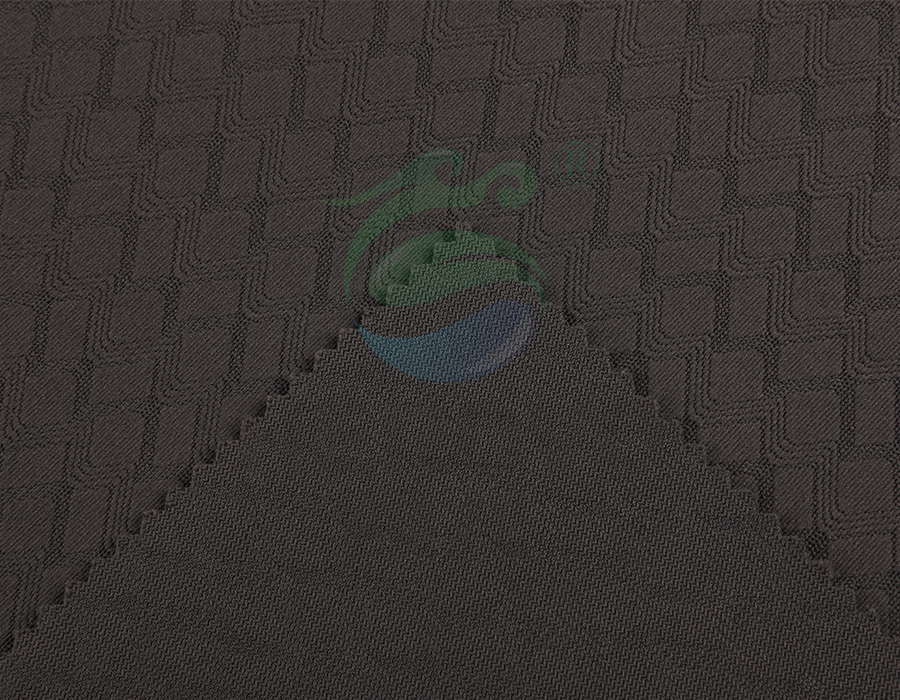
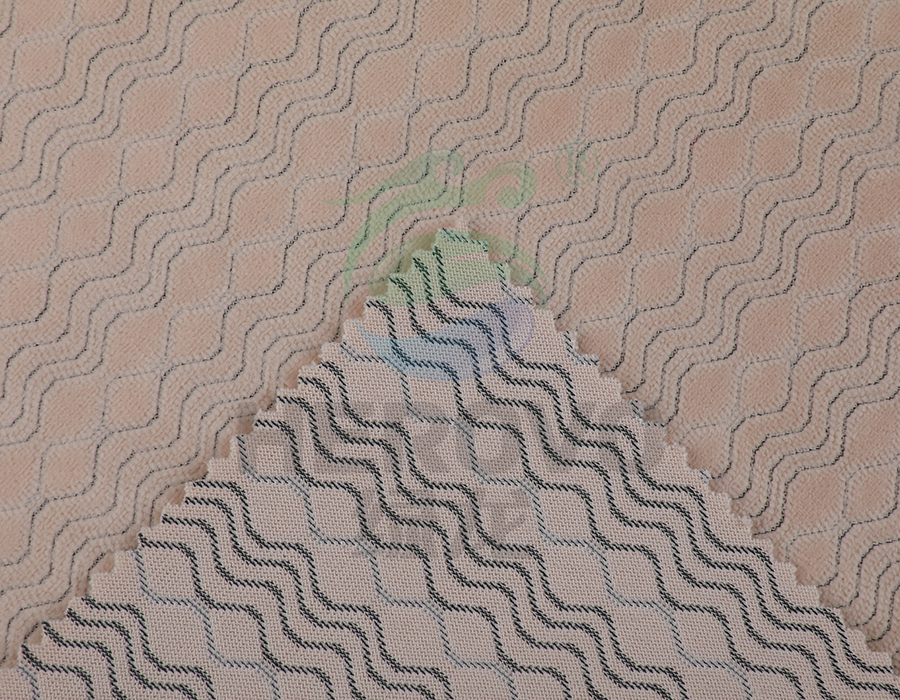
Advertising fabric is the ultimate medium for modern visual marketing, offering a highly durable, visually vibrant, and cost-effective alternative to traditional rigid signage. By utilizing advanced textile materials, businesses can significantly reduce shipping weights and installation times while achieving superior color reproduction. Whether deployed for massive outdoor building wraps or intricate indoor retail displays, these fabrics provide an unmatched combination of practicality and aesthetic appeal, forming the backbone of contemporary promotional environments.
The transition from solid substrates to textile-based graphics has revolutionized the exhibition and retail industries. The primary driver behind this shift is the exceptional weight-to-size ratio. Fabric graphics can reduce shipping volume by up to 70% compared to traditional PVC boards, leading to drastic logistical savings. Furthermore, fabrics do not crease permanently or shatter during transit, ensuring that the final display looks pristine upon arrival.
Beyond logistics, the visual quality of fabric is inherently superior. The microscopic fibers within the textile absorb ink rather than letting it pool on the surface. This absorption results in a matte, glare-free finish that allows viewers to see the true colors of the advertisement from any angle, a critical factor in brightly lit trade show halls or sunlit retail storefronts.
Selecting the correct textile is vital for the success of any display. Different weaves and polymer compositions offer varying levels of opacity, stretch, and durability. Below are the most commonly utilized materials in the industry today:
| Fabric Type | Key Characteristic | Best Application |
|---|---|---|
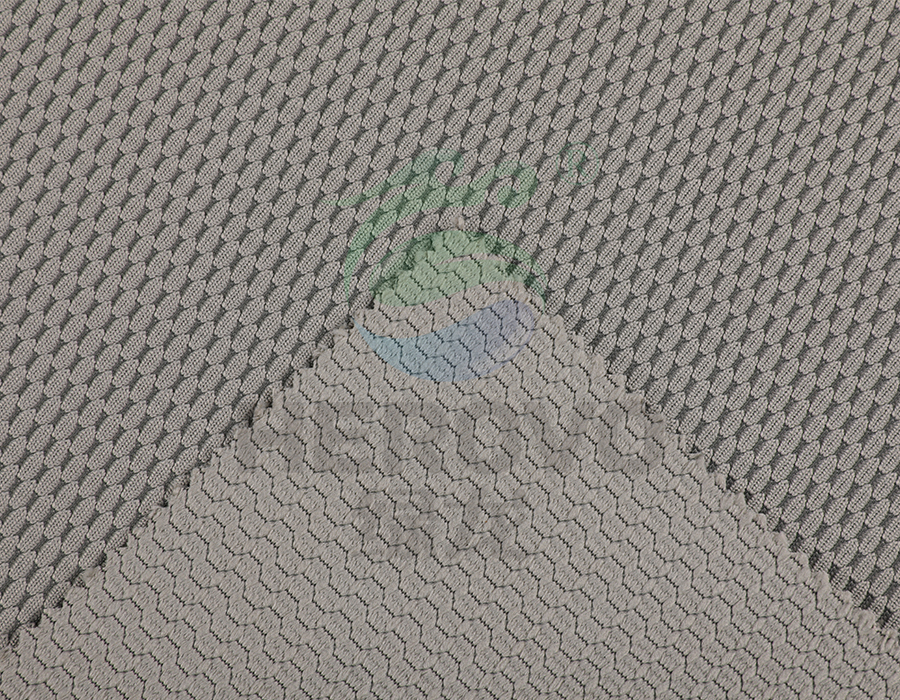
| Knitted Polyester | Four-way stretch | SEG light boxes, pop-up booths |
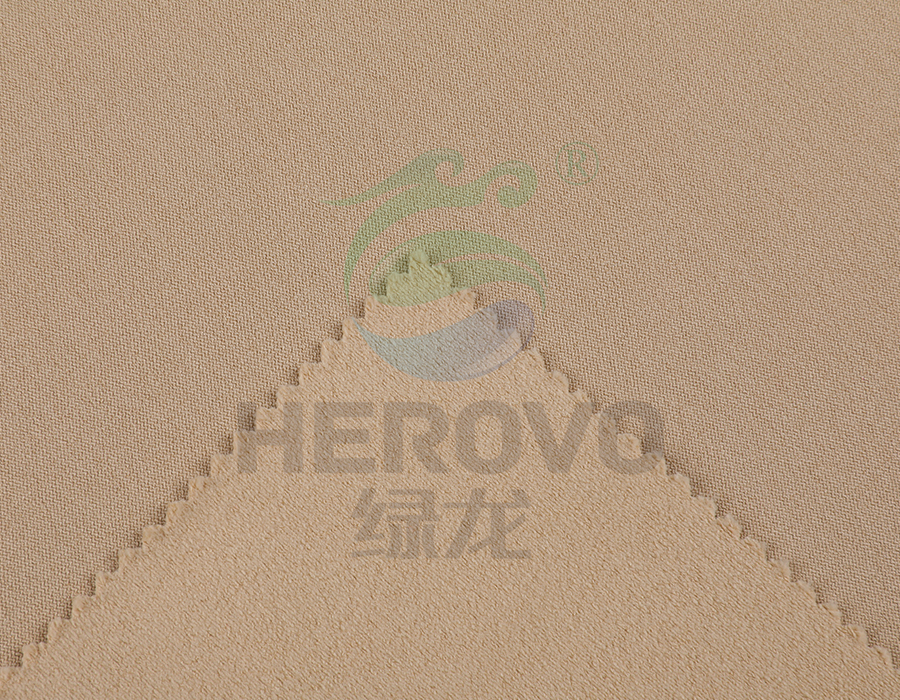
| Woven Polyester | High tear resistance | Street banners, outdoor flags |
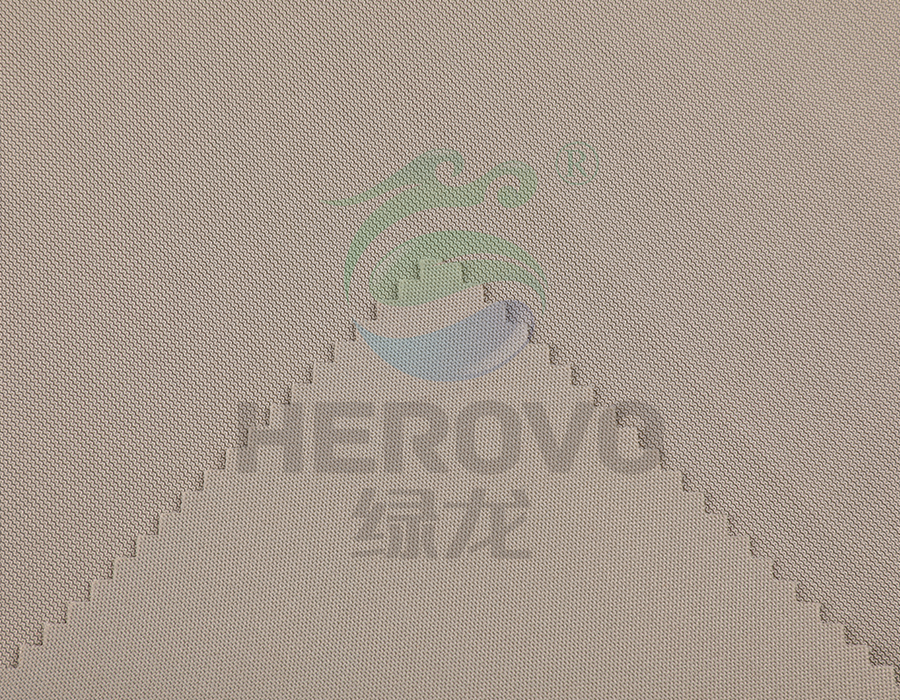
| Mesh Fabric | Wind permeable | Building wraps, construction fences |
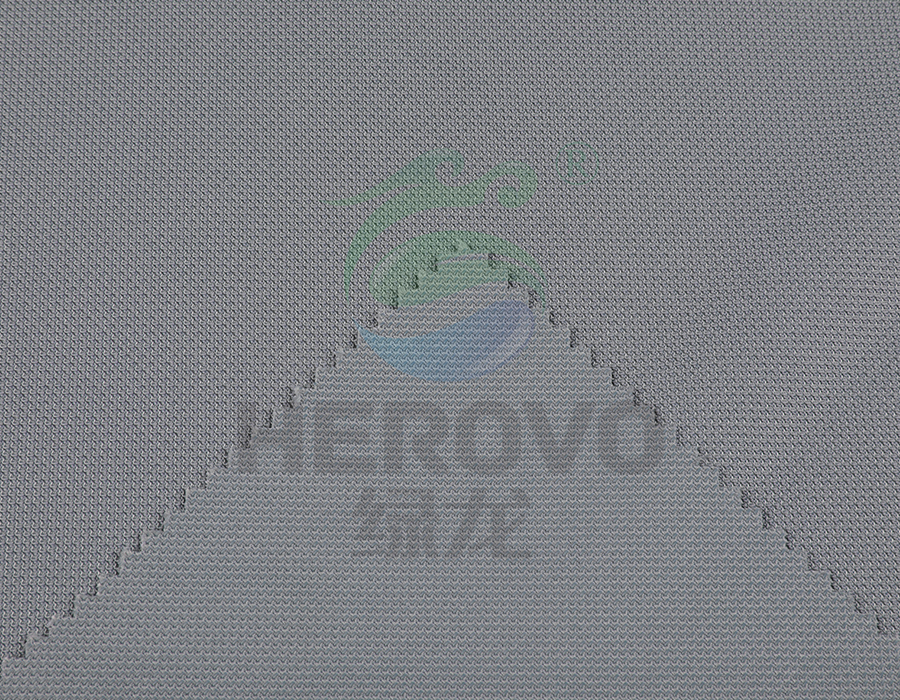
| Backlit Fabric | Light diffusing | Illuminated retail signage, airport displays |
Dye sublimation is the gold standard for advertising fabric printing. This process uses heat to transform solid ink directly into a gas, which then bonds permanently with the polyester fibers. The dye becomes part of the fabric itself, meaning the printed image will not crack, peel, or fade easily over time. Sublimation can be done via transfer paper (for precise, high-detail indoor graphics) or direct-to-textile (for faster, large-format outdoor runs).
While dye sublimation is limited primarily to polyester, latex and UV printing technologies allow for ink adhesion on a broader range of natural and synthetic fibers. UV printing cures liquid ink onto the surface of the fabric using ultraviolet light. Although this method sits on top of the material rather than infusing into it, it is highly valued for outdoor applications where extreme weather resistance is required, as UV inks offer superior protection against sun bleaching.
As environmental regulations tighten and corporate social responsibility becomes a priority, the advertising fabric industry has made significant strides in sustainability. The vast majority of modern advertising textiles are made from polyester, which can be manufactured from recycled PET plastics, such as discarded water bottles. Utilizing recycled polyester reduces energy consumption in production and diverts plastic waste from landfills and oceans.
Furthermore, water-based latex inks and the elimination of harmful solvents in the dye sublimation process mean that modern fabric printing is considerably less toxic than the solvent-based sign printing of the past. At the end of their lifecycle, pure polyester fabrics without heavy chemical backings can be recycled again, supporting a circular economy within the visual merchandising sector.
The way an advertising fabric is installed dictates its visual effectiveness and longevity. The most prominent installation method today is the Silicone Edge Graphics (SEG) system. In this system, a thin silicone strip is sewn directly into the perimeter of the fabric. This edge is then pushed into a recessed groove on an aluminum frame, creating a taut, frameless appearance that looks like a flat-screen monitor.
Maintaining these fabrics is remarkably simple, contributing to their long-term value. To ensure continued visual impact, follow these maintenance steps:
By adhering to these guidelines, businesses can reuse the same advertising fabric across multiple campaigns and locations, maximizing their return on investment. The combination of resilient materials, advanced dyeing techniques, and user-friendly hardware ensures that fabric-based advertising remains the most forward-thinking choice for visual communication.

Copyright © Zhejiang Herovo New Materials Co., Ltd. Custom Warp Knitting Textile Fabrics Manufacturers
 www.herovo.com


 英语
 中文简体