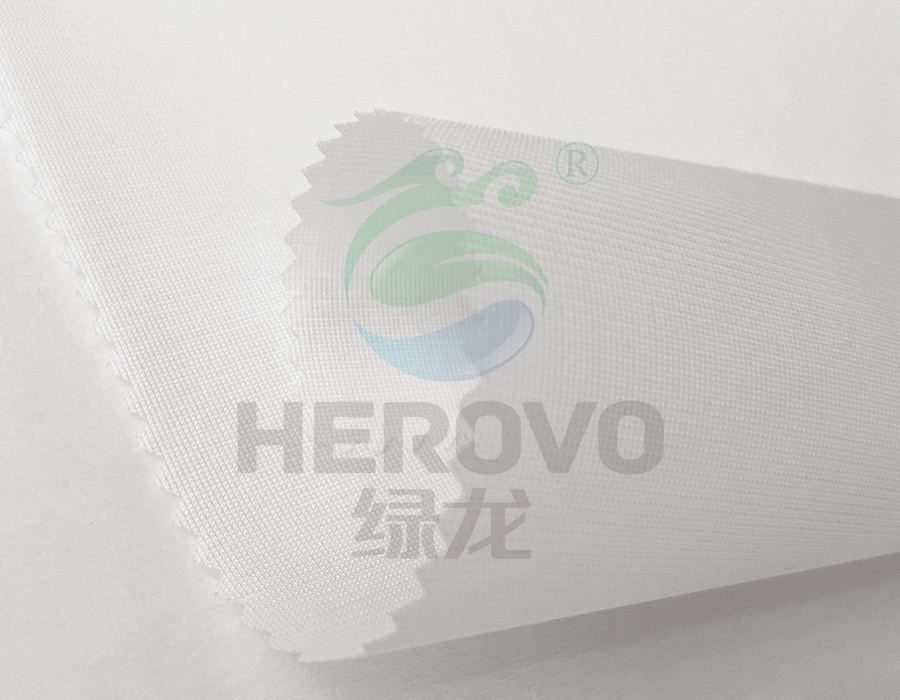
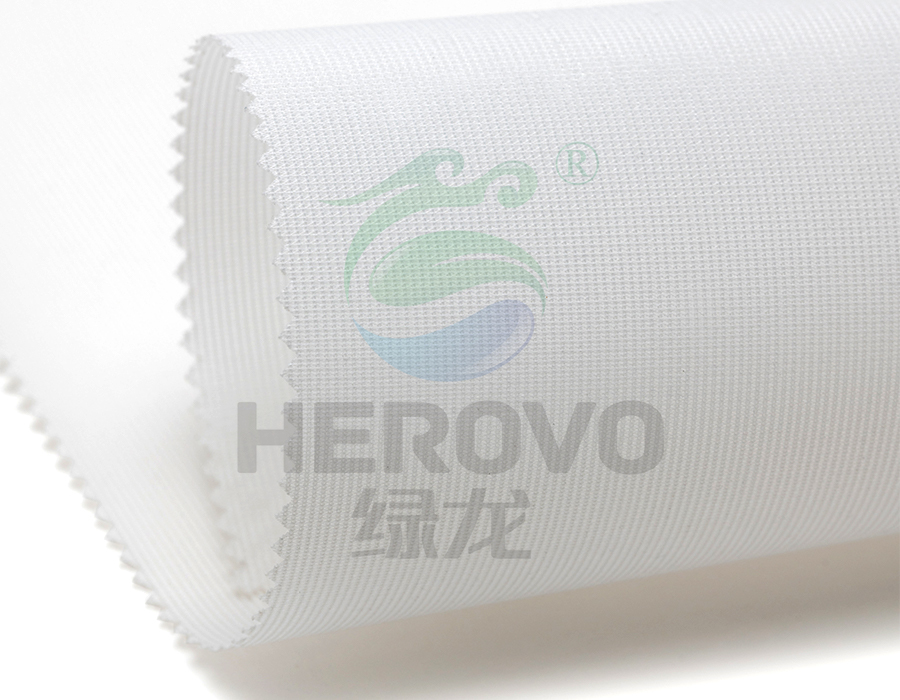
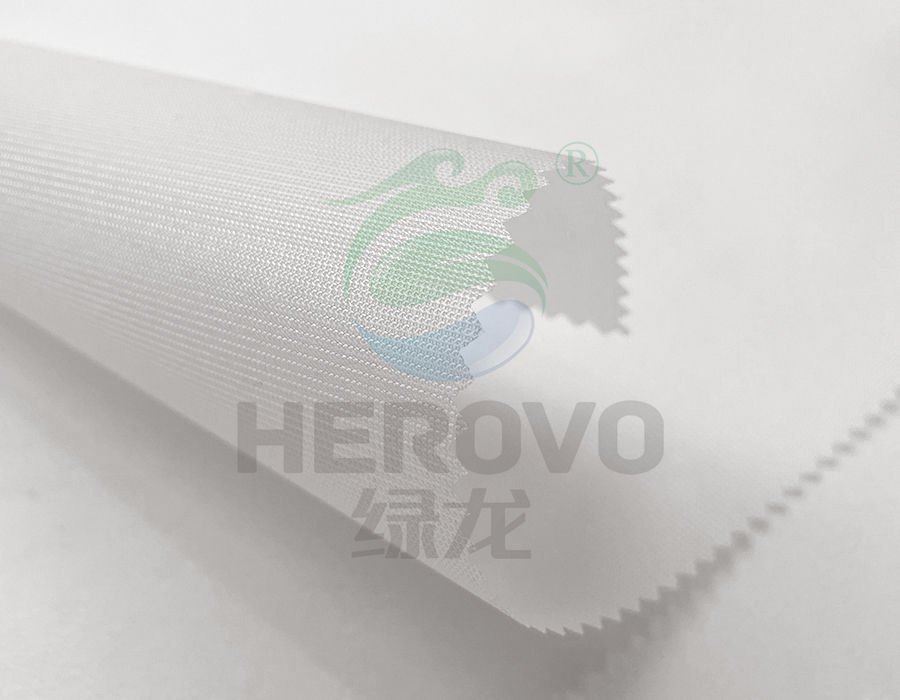
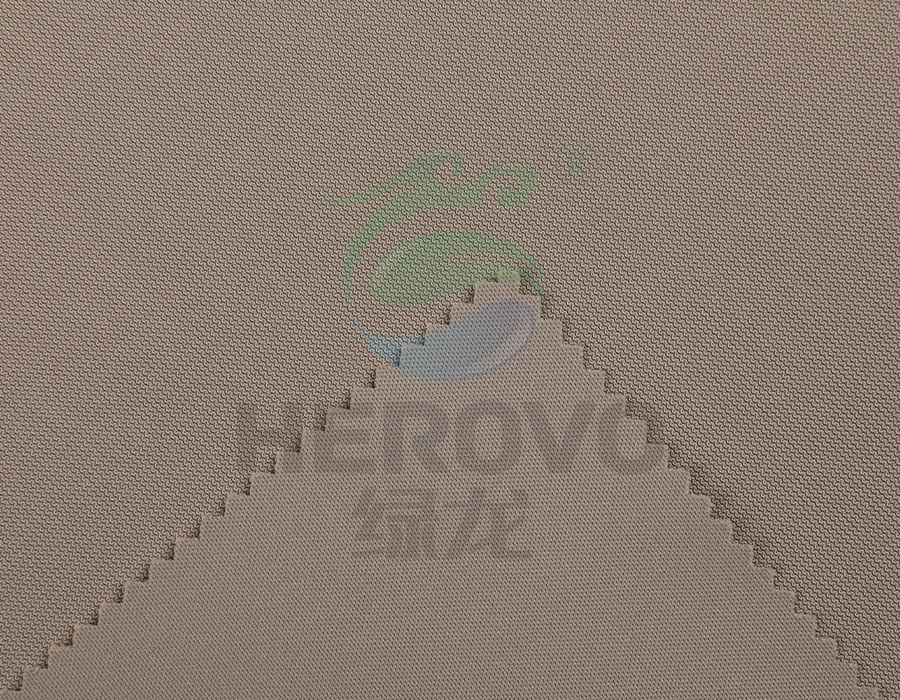
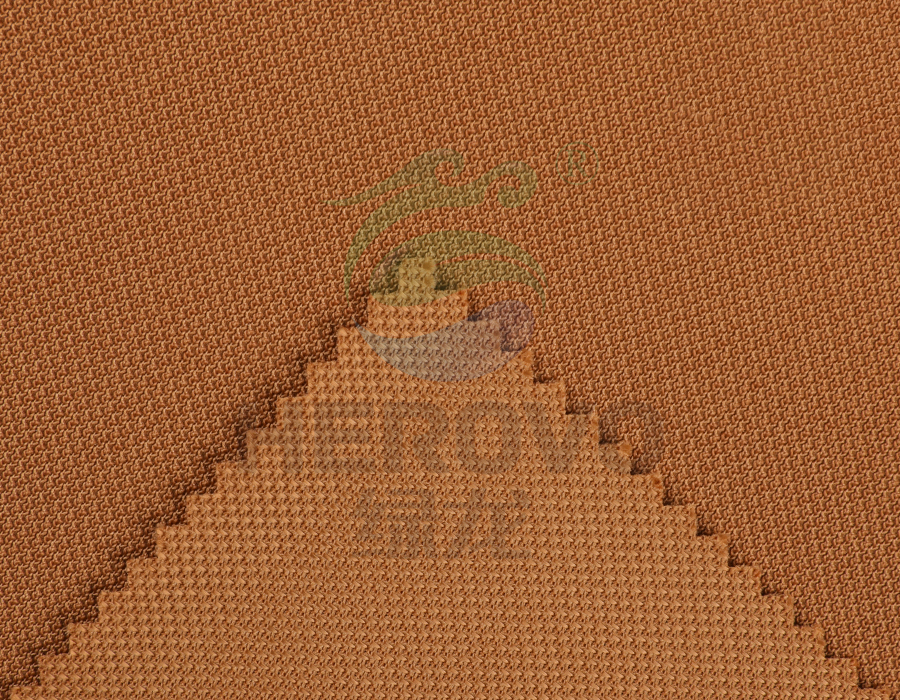
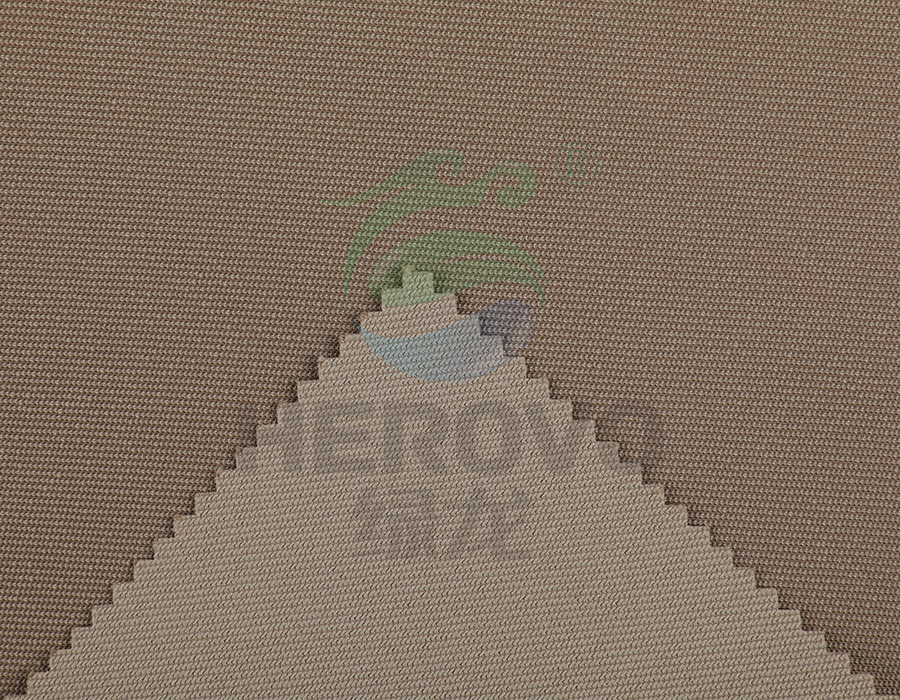
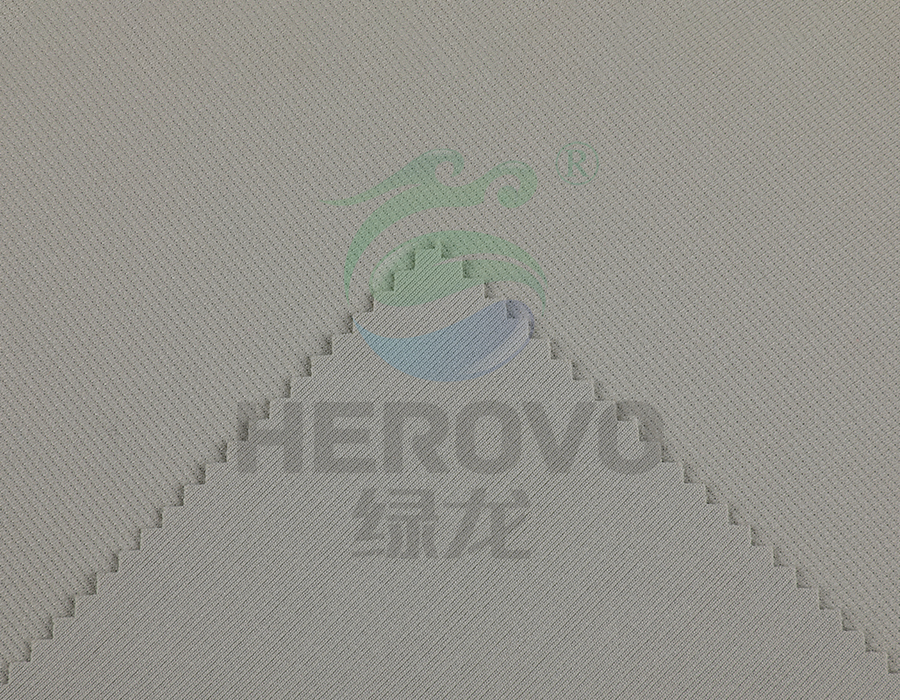
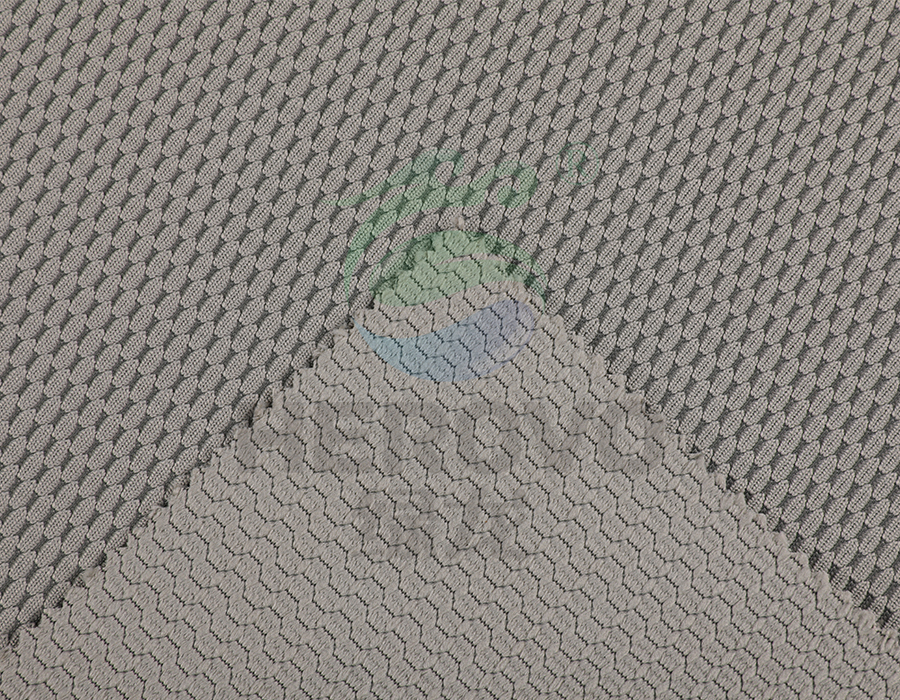
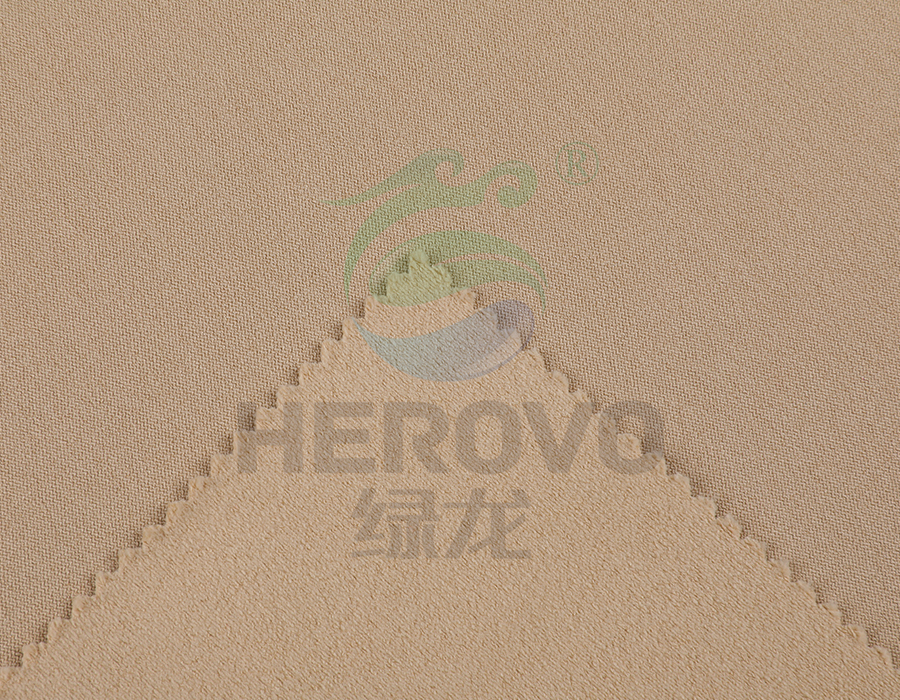
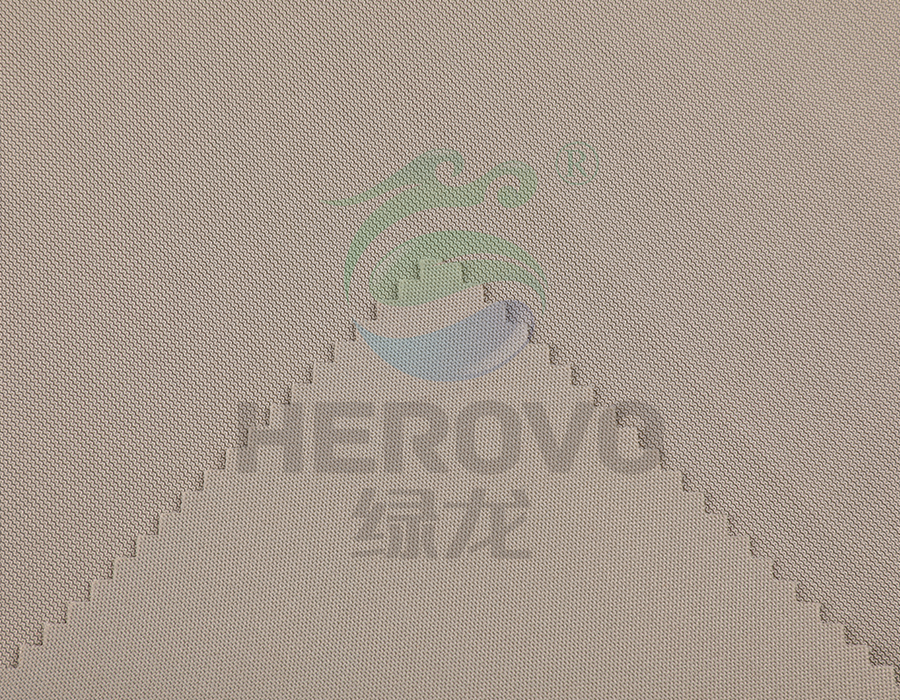
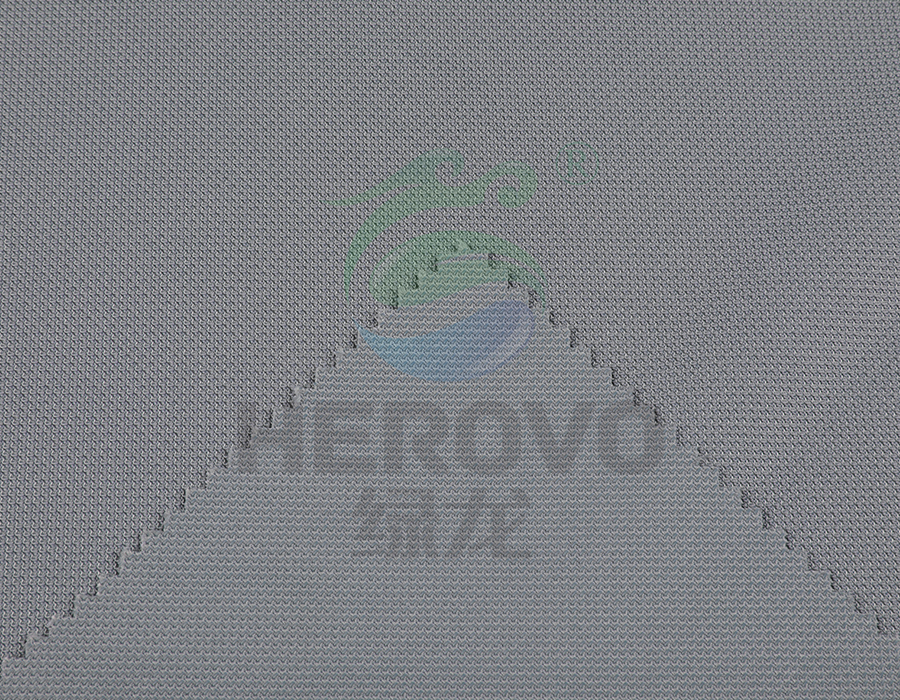
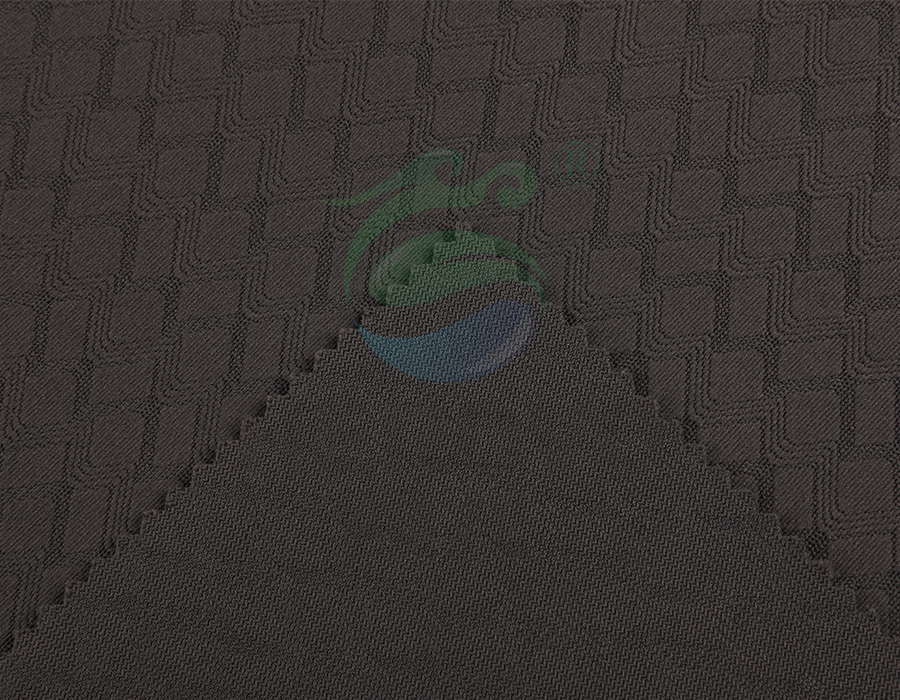
The RO membrane element permeate carrier acts as a crucial skeletal channel located inside the membrane envelope. Its primary function is to prevent the membrane sheets from sticking together under high pressure while allowing the purified water to flow smoothly toward the central collection tube. Without this essential layer, the membrane leaves would collapse, water flux would drop dramatically, and the desalination process would fail entirely. It is a fundamentally engineered solution that dictates the overall efficiency, energy consumption, and lifespan of the entire reverse osmosis system.
Understanding this component requires looking beyond the membrane polymer itself. The carrier is the unsung hero of the element architecture, balancing structural integrity with hydraulic permeability. By maintaining a constant flow path, it ensures that every square inch of the active membrane surface remains functional throughout the operational cycle, directly translating to consistent water production and lower operational costs.
The engineering behind a permeate carrier is a delicate balance of thickness, porosity, and chemical stability. The design must withstand immense compressive forces while remaining highly permeable to water. If the material is too dense, it restricts flow; if it is too weak, it compresses and blocks the channel.
Manufacturers predominantly utilize woven or non-woven polyester materials for these carriers. Polyester offers excellent resistance to the harsh chemical environments typical in water treatment, including exposure to varying pH levels and cleaning agents. The mesh is engineered with specific diamond or grid patterns to maximize the open area for water transport. The structural geometry directly influences the pressure drop across the element, meaning a well-designed mesh can significantly reduce the energy required to push water through the system.
The thickness of the carrier is meticulously calibrated. It must be thick enough to create a viable flow channel even when the system is operating at peak pressure, yet thin enough to allow for tight winding around the central tube. Under operational stress, the carrier absorbs the mechanical load, protecting the delicate polyamide membrane layer from crushing forces.
A common point of confusion in reverse osmosis architecture is the difference between the permeate carrier and the feed spacer. While both are structural mesh components used within a membrane element, they serve entirely different hydraulic purposes and face different operational challenges.
| Feature | Permeate Carrier | Feed Spacer |
|---|---|---|
| Water Side | Purified (Permeate) | Untreated (Feed) |
| Primary Role | Water collection and channeling | Turbulence promotion and spacing |
| Fouling Risk | Low | High |
The physical characteristics of the permeate carrier have a cascading effect on the macroscopic performance of a water treatment plant. When the carrier functions optimally, the system runs smoothly. When it degrades, the consequences are immediately noticeable in both energy consumption and output quality.
As purified water travels through the carrier mesh toward the central tube, it encounters friction. A highly optimized carrier minimizes this friction. Excessive pressure drop within the permeate channel forces operators to increase the high-pressure pump output, which directly elevates electricity consumption. In large-scale operations, even a minor increase in pressure drop can result in significant financial losses over time.
By preventing the membrane leaves from collapsing, the carrier ensures consistent yield. If the carrier were to flatten under pressure, the active surface area would decrease, forcing the remaining membrane to work harder. This uneven stress accelerates membrane degradation and leads to premature salt passage, compromising water quality.
Though shielded from the raw feed water, the permeate carrier is not immune to failure. Understanding these failure modes is essential for implementing effective maintenance protocols and ensuring long-term system reliability.
To mitigate these issues, operators must strictly adhere to recommended operating pressures and cleaning chemical concentrations. Regular monitoring of pressure drops across the element bank is the most effective way to detect early signs of carrier compaction or blockage. When an element begins to show sustained elevated pressure drops that cannot be resolved through chemical cleaning, replacement is the only viable solution to restore system efficiency.
The evolution of reverse osmosis technology continues to drive innovation in internal component design. As demand for higher efficiency grows, the focus on optimizing the permeate carrier intensifies. Researchers are exploring advanced composite materials that offer greater rigidity with reduced thickness, aiming to pack more membrane area into a single element without sacrificing flow dynamics.
Furthermore, surface modifications are being tested to create anti-adhesive properties on the carrier mesh. While fouling in the permeate channel is rare, making the material entirely resistant to biological attachment adds an extra layer of security for critical applications. The future of RO membrane design relies heavily on these micro-structural improvements, proving that the smallest components often hold the key to major advancements in water purification technology.

Copyright © Zhejiang Herovo New Materials Co., Ltd. Custom Warp Knitting Textile Fabrics Manufacturers
 www.herovo.com


 英语
 中文简体